Manufacturing Plant Roofing in Yuma, AZ
For a plant manager in Yuma, AZ the roof is a production line item with a shutdown attached, and the cost that matters most is the hour a line stops because water or debris reached the floor. Manufacturing roofs carry exhaust stacks, make-up air units, ductwork, conduit and process piping, so the membrane is cut by dozens of penetrations and crossed by service technicians every week. Add a summer of triple-digit afternoons, a sun load that does not fully relax at night, and the occasional monsoon downpour on a roof that rarely meets water, and the roof ages through the penetrations and the heat before it ages through the field. We write the plan around those details and the production calendar.
Roof leaking now? Call 555-555-5555 for a site visit and estimate.
Where does a plant roof fail first?
The field of a manufacturing roof is usually in better shape than the details. Pipe boots crack in the sun, sealant around stacks dries and shrinks, curbs for roof units settle, and walkway paths wear into the membrane where technicians pass. We start a survey by counting every penetration, photographing each on a dated set and rating it, then probing the seams nearest to them. Many leaks that are blamed on the field start within a few feet of a penetration. The result is a ledger of items, each with a repair cost now and a likely cost if deferred, which lets the plant sort them into the maintenance budget or the capital plan and fund the right line.
Walkways are part of the same ledger. A plant roof is walked weekly by maintenance staff, filter-change crews and equipment vendors, and the paths wear the membrane into thin tracks. We mark the actual routes from the plan, add protective pads along them and price the pads as a line beside the repair, since a pad costs less than the patch it prevents. Where a route crosses a seam, the seam is probed and photographed first. A planned roof repair done at a curb this way lasts longer than a smear of sealant over the same joint.
Related Roofing Work
Other pages that cover parts of the same roof question.
Commercial Roof Repair
KEE Roofing
PVC Roofing
South Yuma Airport and Industrial Area
Warehouse Roofing
Distribution Center Roofing
What does process exhaust do to a membrane?
Exhaust from cooking, coating, washing, chemical and food processes can fall on the roof as grease, oil, solvent vapor or acidic condensate, and the wrong membrane can soften, swell or discolor around the discharge. We map the discharge points, identify what each emits where the plant can tell us, and choose a membrane and flashing material that tolerates the exposure. PVC and KEE sheets are often specified near grease and oils, while some processes call for a protective cover or a walkway pad under the stack. We write the exposure into the scope so that a future roof repair uses the same compatible material. KEE membranes are a common recommendation in this setting, with PVC close behind where the exposure is lighter, and the choice is recorded with the reason so a future repair does not swap in an incompatible sheet.
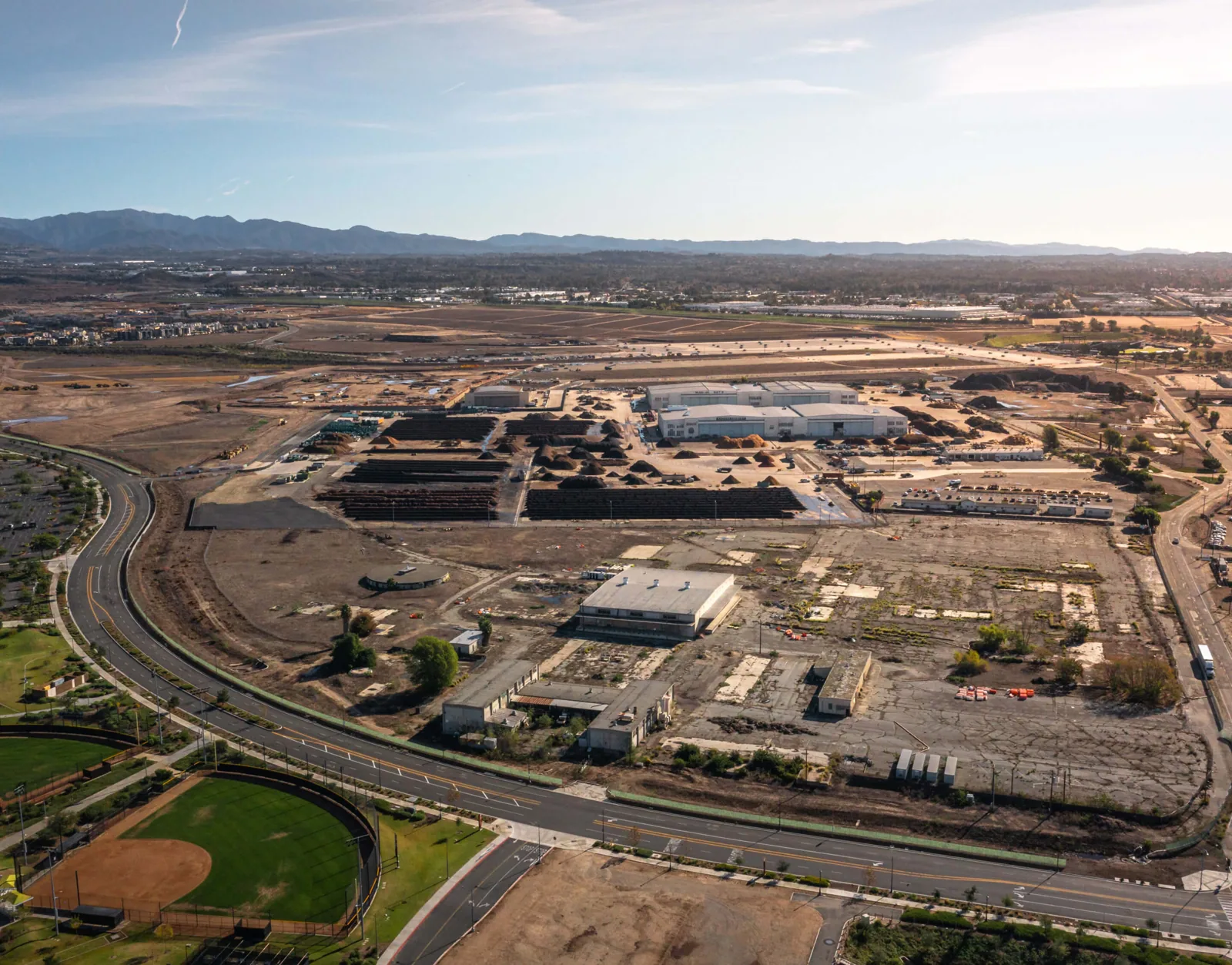
New plants raise a different question. A building on a site such as the Panattoni development beside Highway 195, within five miles of Interstate 8 and Yuma International Airport, benefits from a baseline survey right after construction, which gives the owner photographs, drain counts and curb details that older plants have to reconstruct. For an older plant in the airport industrial area, we reconstruct the baseline from cores, moisture probes and a review of past repairs, and we flag the gaps so the owner knows which parts of the roof history are documented and which are inferred from field readings. That distinction decides how much weight a lender or insurer can place on the file.
How does heat on the roof reach the production floor?
A plant in Yuma pays for cooling much of the year, and the roof is the largest surface exposed to the sun. A reflective surface lowers roof temperature and slows the aging of the membrane, and added insulation lowers the load on the plant's cooling system. The long run of 100-degree afternoons, more than any single record day, is what matters for operating cost. We take surface temperature and reflectance readings, review the insulation, and price a white membrane or coating against the dark roof it would replace. The plan also looks at the shipping side of a plant, as it would for a warehouse roof, where a shipping dock under a roof edge has its own drainage and wind exposure. Both the production roof and the dock roof belong in the same reserve schedule, so a single capital line is not forced by the weakest roof. The estimate states the change in surface temperature we measure, not a promised energy figure, because savings depend on the building's equipment and operating hours.
How is roof work scheduled around production?
Plants run on shifts and maintenance outages, much like a distribution center that never closes, and a roof project can be timed to them. Heavy work, such as crane lifts of units and tie-ins at curbs, goes into planned shutdown weeks, while field work proceeds during production with barriers and protection. For an occupied reroof, we divide the roof into zones, close each before the crew leaves and protect the interior with temporary covers where the work is above sensitive equipment. Monsoon weeks in August and September cap the outdoor schedule, and the bid shows which weeks carry hold risk and what a hold would cost. Coordinating with the plant's mechanical contractors keeps units lifted and reconnected on the day the scope states.
What does the plant keep after the project?
The plant keeps dated photographs, the penetration ledger, the moisture findings, a drain count, the warranty file and the reserve schedule. The ledger matters most: it lists every penetration with its flashing detail, so a later contractor can modify an exhaust stack without guessing what lies under it. The plant is walked on a fixed cycle: once after the first monsoon rain, once before peak summer heat and in full every year. Bose, Dole Fresh Vegetables and Shaw Industries are among the operations in the Yuma area, and every plant puts its own exhaust and equipment load on its roof, so the penetration ledger and the membrane choice are set plant by plant.
Questions About Manufacturing Plant Roofing
Can new equipment be added to the roof without voiding the warranty?
It can when the work is flashed to the membrane manufacturer's details and documented. We keep the warranty file current and record each new curb, so the roof remains defensible after changes.
How are roof leaks over production equipment handled?
A temporary repair or cover stops the water first, then infrared and moisture probes trace the source and the permanent repair is made in a window that suits production. The path and the repair go into the file.
What weight can the roof carry for new units?
That is a structural question for the building's engineer. We note the deck type and condition and keep the roof plan updated, so the engineer has accurate information about loads and supports.
Does the roof need to meet fire or insurer requirements?
Insurers often have requirements for roof assemblies and fire ratings. We ask for them at the start and select the assembly accordingly, then document the installed system for the insurer.
What does a monsoon storm do to a plant roof?
Wind lifts loose edges and debris, and the first heavy rain tests every flashing. We walk the roof after significant storms, check units and penetrations and clear drains, then record any repair.
Send the equipment list and the shutdown calendar
Share the roof plan, the list of rooftop equipment and exhaust sources, and the dates of planned outages, and we will return a dated scope that schedules the heavy work for your shutdown weeks. Call to book a walk.
Call 555-555-5555 or email [email protected].