
Modified Bitumen Roofing in Yuma, AZ
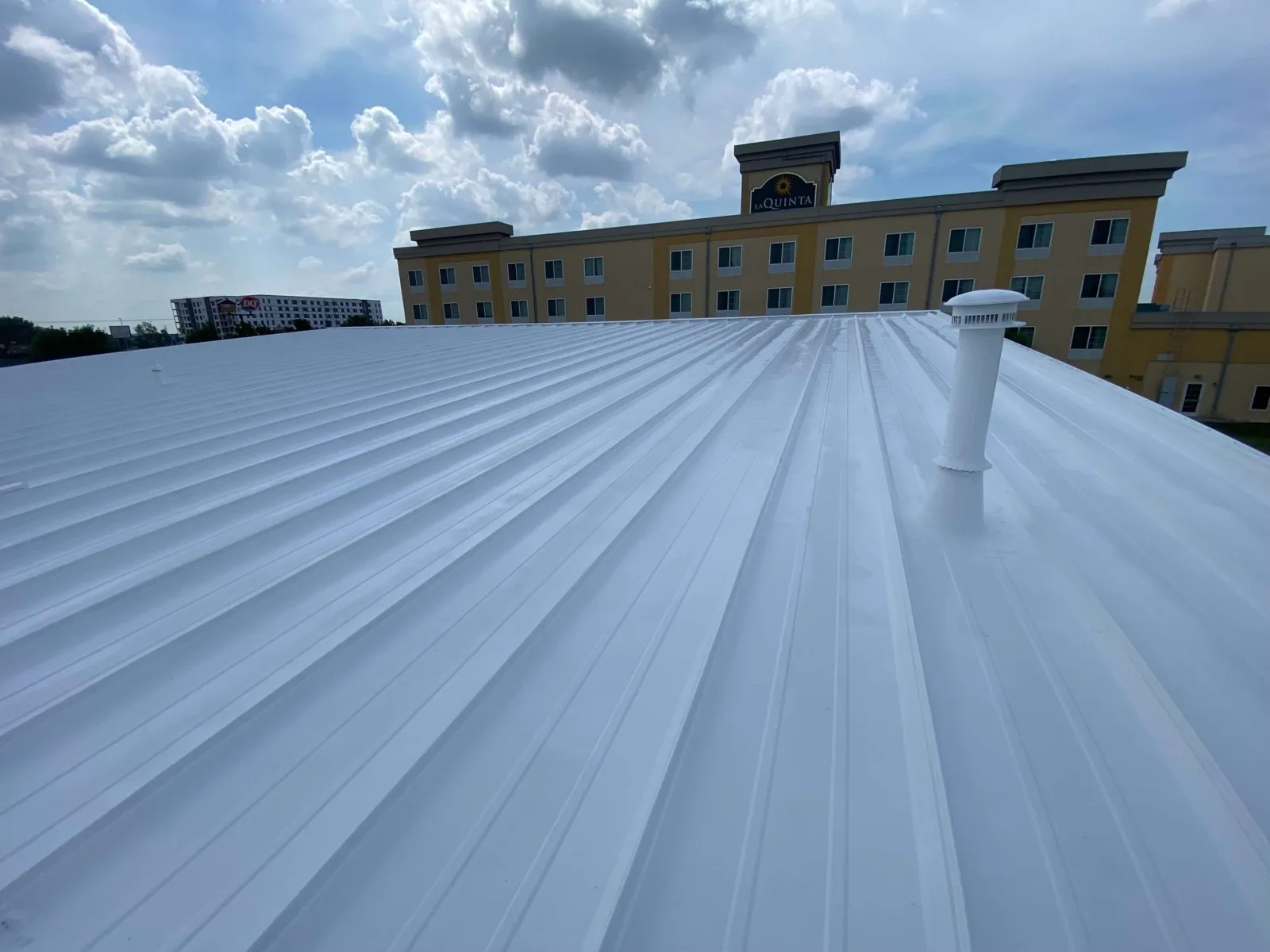
Two plies and a granulated cap sheet make up the modified bitumen line item that a Yuma, AZ manager carries when the building needs a tough, repairable roof that can take foot traffic, and the decision turns on how the layers are joined as much as on what they are made of. The asphalt in a modified sheet is blended with a polymer, either SBS rubber for flexibility or APP plastic for heat stability, and the result is a membrane that tolerates a hot, dry climate better than plain asphalt does. In a town where 117 days a year bring 100-degree F heat and almost no rain, the cap sheet is a sacrificial surface against the sun, and its granules are the part of the roof we measure to see how much life remains.
Roof leaking now? Call 555-555-5555 for a site visit and estimate.
SBS or APP: which polymer belongs on this roof?
SBS sheets stretch and recover, which suits roofs that move with temperature or building settlement, and they are often laid in hot asphalt or cold adhesive. APP sheets are stiffer, hold up under higher surface temperatures and are normally heat-welded with a torch or applied with a self-adhering backing. For a Yuma roof that bakes through summer, the APP formulation has a natural case, while a roof with many penetrations and tight details may suit SBS better for its elasticity. We do not choose by habit. We read the deck, the insulation, the number of penetrations and the planned hold period, then price the two options on separate lines. The comparison shows the owner what the extra flexibility costs and what the extra heat stability buys over the years the building will be owned.
A third path is a multi-ply built-up system, which shares the asphalt heritage but is assembled from more layers on site. That option usually costs more labor and suits roofs where redundancy matters, such as a roof over hospital wings like those of the 406-bed Onvida Health teaching hospital, where a leak reaches sensitive spaces fast. We put all three paths into a single comparison so the owner sees the price, the install risk and the expected maintenance of each.
Related Roofing Work
Other pages that cover parts of the same roof question.
Built-Up Roofing
Occupied Building Reroofing
Roof Coating Restoration
Ponding Water Roof Repair
School Roofing
Downtown Yuma
How is a modified roof joined without an open flame?
Torch application is common but not always appropriate, and on an occupied building, a hospital campus or an airport tenant, an open flame close to combustible substrates can be a hard stop. Cold-applied adhesive and self-adhered sheets avoid the flame and are usually the right answer on those jobs, at some cost in speed and sometimes in seam strength. Where a torch is allowed, we plan fire watches, extinguishers and a post-work check, and we log them in the project file. Because an occupied reroof raises fume and noise questions as well, we state the application method for each building in the scope, so facilities managers and tenants know what the day will look like before the crew arrives. At the airport, where Marine Corps Air Station Yuma shares the airfield with Yuma International Airport and tenants include air ambulance operators, hot work near aircraft operations or ventilation intakes needs its own written permission, and cold-applied sheet is often the practical choice. We carry that requirement into the schedule instead of treating it as a surprise at mobilization.
What does the cap sheet lose to the Yuma sun?
The mineral granules on a cap sheet protect the asphalt underneath from ultraviolet light, and as they wear away the bare surface oxidizes, hardens and cracks. Yuma has about 175 sunny days a year, so the exposure is nearly constant, and wind that carries sand during the monsoon scours the surface further. We measure the granule loss, photograph the exposed areas on a dated set and note the surface temperature readings, then pair them with a prediction of when the sheet will need a coating. A reflective coating applied before the asphalt is bare can extend the roof's life and cools the surface, which is why the question of coating restoration belongs on the table whenever a modified roof is aging.
Granules also wash toward the drains after a monsoon storm, so we check the scupper boxes for loose stone after the first heavy rain. Standing water makes granule loss worse, so ponding is mapped on the same visit.
Where do multi-ply roofs fit in Yuma?
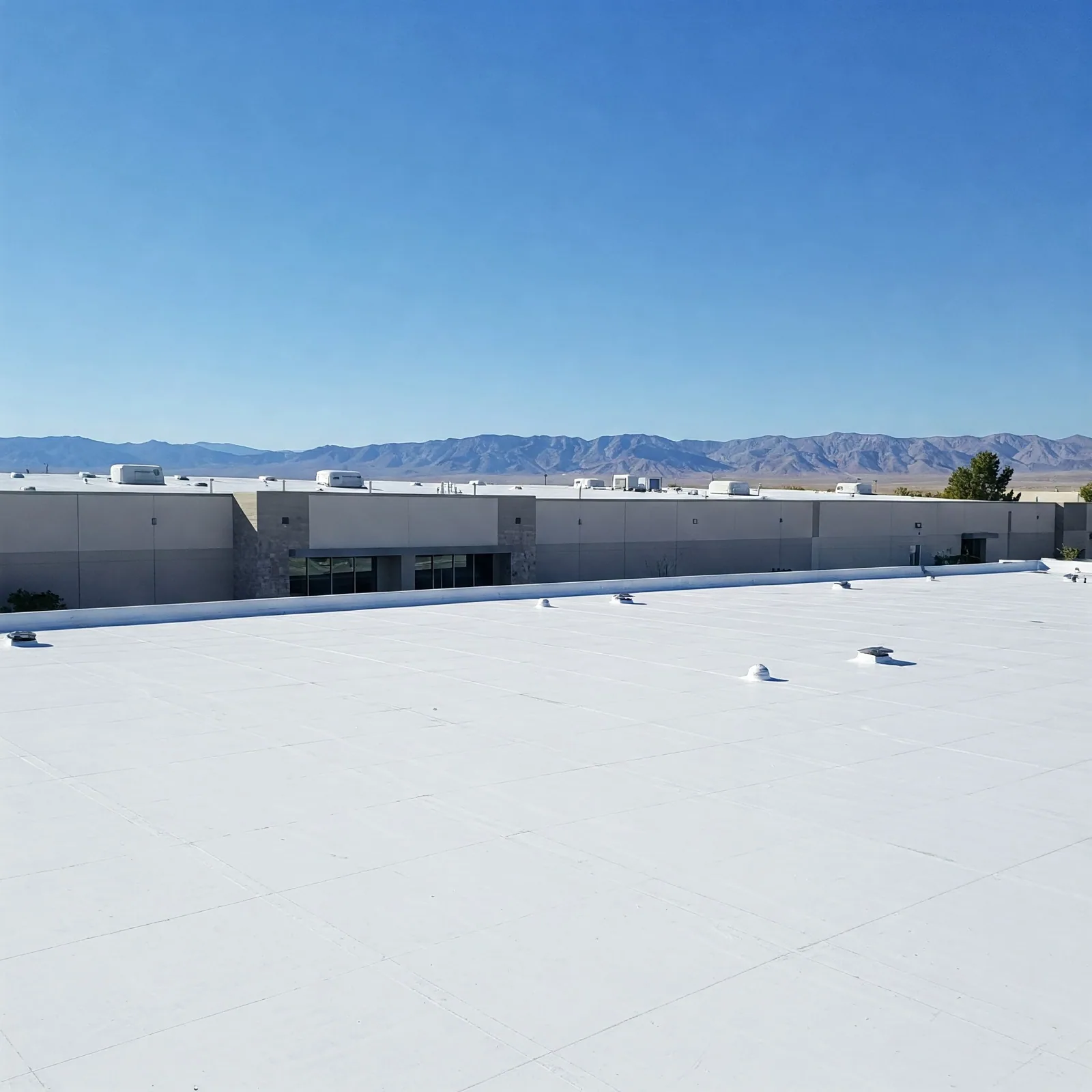
School roofs are a natural use, since school buildings take foot traffic from maintenance staff, antenna installers and contractors for rooftop units, and Yuma Union High School District is one of the area's larger employers. A school roof that is walked often benefits from the extra toughness of a granulated cap. Older commercial buildings in downtown Yuma and flat roofs on mixed-use structures also suit it, since the system can be repaired in small areas and torch-free sheets avoid fire risk near combustible framing. On broad industrial roof fields, such as those expected in the Highway 195 industrial area, single-ply usually wins on price, but modified bitumen makes sense on mechanical rooms and loading dock canopies where equipment traffic is heavy.
What gets recorded when the cap sheet goes down?
We keep a dated photograph set for every layer: the substrate, the insulation, the base ply, the cap and the flashing stripping. The inspection binder includes the application method, the lot numbers of the sheets, the drain and scupper tally and the details at every penetration, and the warranty file sits next to it, current as of the last repair. Maintenance follows on a fixed cycle, one visit when the storm months end and one before spring heat builds, to check granule coverage, seams and the base flashings where heat movement tends to open them first. The reserve schedule then gets a date for the first coating, so the next capital spend is planned rather than forced by a leak. If a sale or refinance is coming, the same binder answers the buyer's questions about layer count, past repairs and remaining life without a fresh survey, and the dated photographs show the lender that the roof was handled as an asset with a record, not a recurring surprise on the operating budget.
Questions About Modified Bitumen Roofing
Which is more forgiving of heat, SBS or APP?
APP generally tolerates higher surface temperatures without softening, which suits a roof that bakes for months. SBS keeps its elasticity better where the roof moves. A roof with many details may still go with SBS, and a reflective coating narrows the temperature gap between them. A white acrylic or silicone coating is the usual finish.
Can modified bitumen be recoated instead of replaced?
Yes, when the sheet is sound and the insulation beneath it is dry. We clean the surface, repair blisters and open laps, and apply a reflective coating. A moisture survey comes first so we do not coat over wet material.
What are blisters, and do they mean the roof has failed?
A blister is trapped moisture or air between plies that expands in the sun. Small ones can be cut, dried and patched, while a field full of them points to moisture in the system and a larger decision. We photograph and mark each one so the pattern is clear.
How does a haboob affect a modified roof?
Wind carries sand that scours granules, and the dust can clog scuppers before rain arrives. After a major dust storm we walk the roof, clear the drains and check laps and flashings, because the next rainfall will find any weakness.
Is a torch-free installation weaker?
Properly installed self-adhered and cold-applied systems perform well, though their seams depend on clean surfaces and moderate temperatures at application. We schedule them in the cooler hours and probe the laps once the sheet has set.
Send the roof plan and the access rules
Share the roof plan, any limits on open flame, and the age of the existing roof, and we will return a dated modified bitumen scope with SBS and APP options priced separately. Call to set a walk before the heat peaks.
Call 555-555-5555 or email [email protected].