
PVC Roofing in Yuma, AZ
The premium a PVC membrane carries over other single-ply sheets is a deferred-cost decision, and it pays back only where the building gives the sheet something to resist. In Yuma, AZ that usually means exhaust grease from a kitchen, oils and process vapor from a packing house, or the constant condensate and cleaning chemistry of a cold storage plant, all sitting under a sun that holds Yuma at 100 degrees F or higher for 117 days a year. Polyvinyl chloride sheet is welded at the seams with hot air, carries plasticizers that keep it flexible, and sheds many of the contaminants that soften other membranes. We install and repair it, and we write the scope so the owner can see what the premium is buying and which year of the reserve schedule it affects.
Roof leaking now? Call 555-555-5555 for a site visit and estimate.
Where does the extra cost of PVC come back?
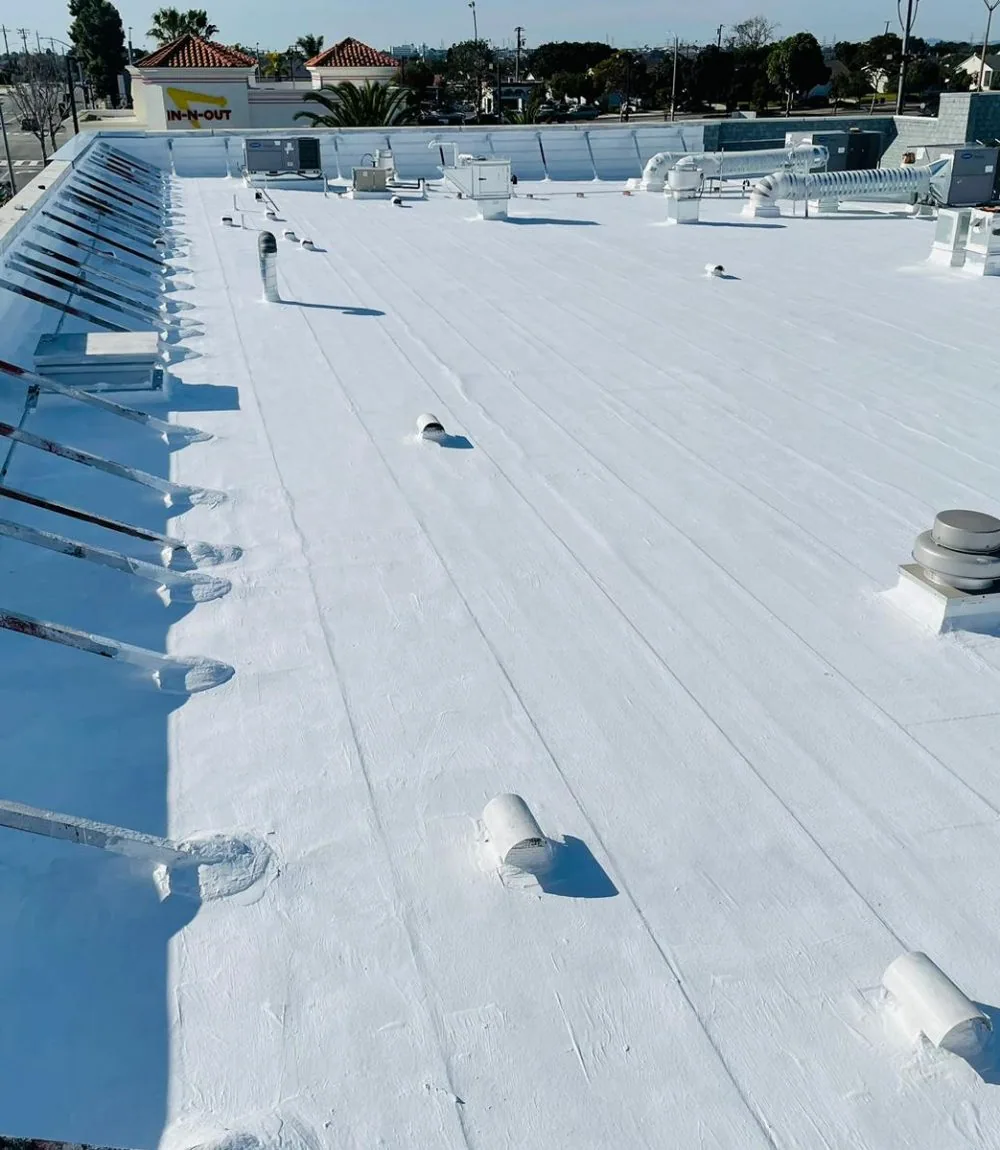
An owner should be able to point at a building feature and say that is why this roof is PVC. Restaurant roofs are the clearest case, because kitchen exhaust throws animal fats onto the membrane around the fans, and a sheet that is not rated for that exposure swells and weakens near the discharge. The same logic applies to roofs near chemical exhaust or on a food processing line. At a retail center like Yuma Palms, where the surrounding property includes ten freestanding restaurants, the roof over a food tenant can justify a different specification from the roof over a shoe store next door, and a landlord who puts the same sheet everywhere either overpays on the quiet roofs or underbuilds on the greasy ones. We price the two separately so each lease has its own capital line, and we keep the exhaust locations on the roof plan so a later equipment curb or support change does not put a fan over a bare field of sheet. Where a grease leak has already softened a membrane, the repair is a cut-out and weld-in patch around the discharge, not a smear of sealant across the damage.
Related Roofing Work
Other pages that cover parts of the same roof question.
Rooftop Equipment Curbs and Supports
Occupied Building Reroofing
South Yuma Airport and Industrial Area
Seam Failure Repair
Cold Storage Roofing
TPO Roofing
What does a plasticized sheet do in the Yuma sun?
A PVC sheet holds its flexibility through the plasticizers in the compound, and those slowly migrate over the years, which is why sustained heat is the factor a Yuma owner should watch. With only about 3.3 inches of rain a year, the membrane lives in sun and thermal swing rather than water, and the sign of age is a sheet that has stiffened, grown brittle at the edges or shrunk back from a parapet before it ever leaks. Surface temperature logs and reflectance readings tell us how hard the roof is working, and we photograph the flashing terminations at walls and curbs on a dated set, because shrinkage shows first at the details. When we see it, we price a detail retrofit while the gap is still closed, ahead of the first monsoon storm.
Which weeks of the year suit PVC installation?
Hot-air welding works best when the deck and the sheet are neither scorching nor cold, and in Yuma that favors early mornings and the long autumn and spring shoulders. Summer afternoons are usable for sealing small details but poor for long field seams, so we load the schedule with welding in the cooler hours and keep the heat of the day for staging, cleanup and inspection. August and September bring the monsoon, with dust walls and winds recorded up to about 70 mph at Yuma Proving Ground, and an unfinished roof is the last place to be when one arrives. We also protect the building interior at each stage by closing the day's tie-ins before the crew leaves, because a dust storm can arrive with little warning and an open edge will collect it. A monsoon-week hold is a real schedule cost, and the bid should state which weeks carry it so the owner sees the exposure on paper. A hold of a few days costs crew standby and sometimes a second mobilization, and the owner who knows that in advance can decide whether to start in the spring or wait for the autumn window. A reroof on an occupied building is sequenced in zones to limit that exposure.
Which Yuma buildings usually carry PVC?
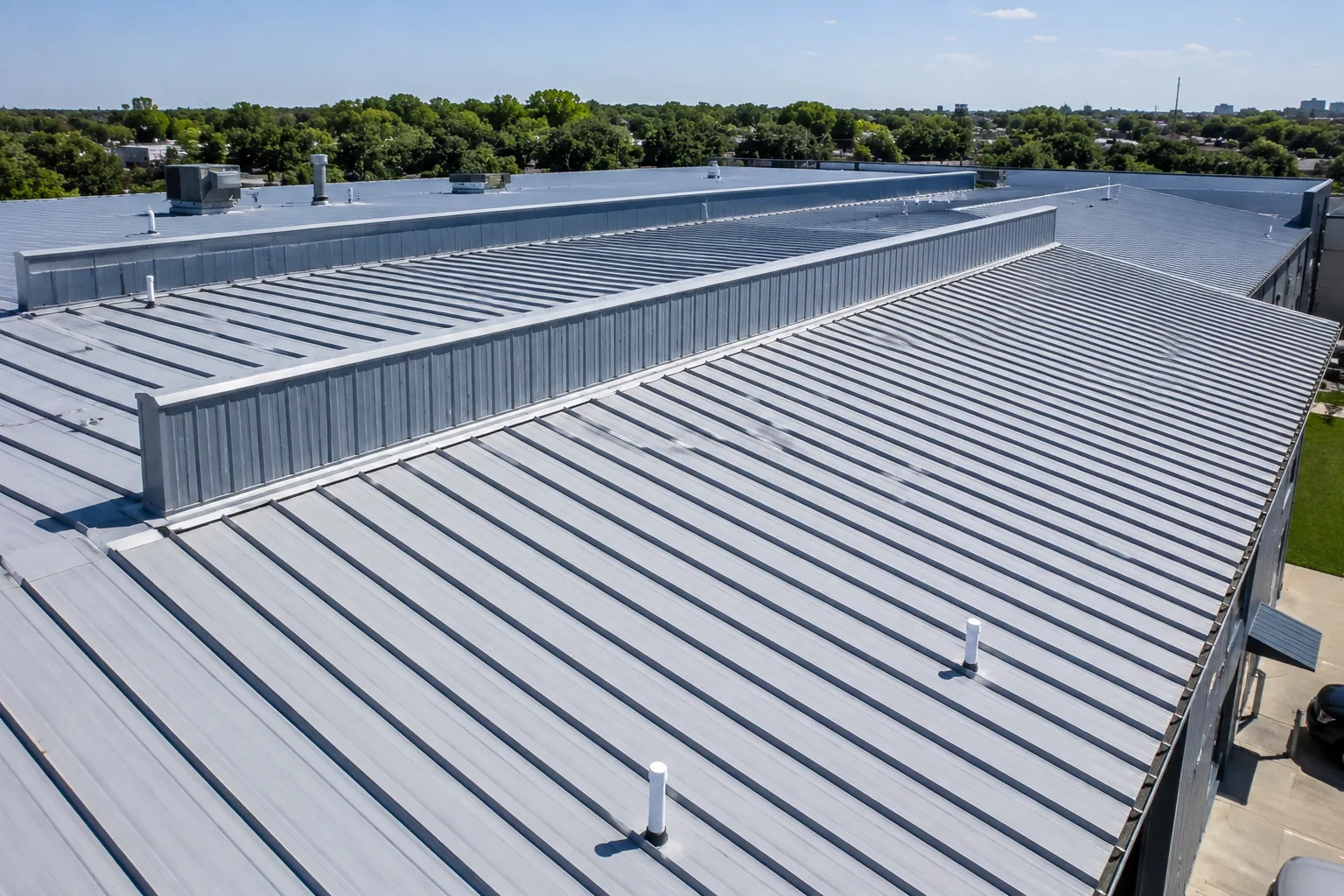
Freight moving between California, Arizona and Mexico runs through Yuma, and the buildings that follow that traffic are cold storage and produce packing houses where the roof lives above a refrigerated space. Condensation and vapor drive through the deck are the issues there, and a welded PVC sheet over a vapor-controlled assembly is a common answer. The airport area is another example: tenant buildings at the airfield include air ambulance and cargo operators, and buildings used that way tend to have rooftop equipment serviced often, so a durable, repairable sheet is worth specifying, and a seam that opens can be rewelded in an afternoon. Hospital and clinic roofs, such as those on the Onvida teaching hospital campus, also lean toward PVC where exhaust air and strict cleanliness matter. We confirm the choice against the actual rooftop equipment and the lease, not a stock preference.
The cold storage buildings are the case where we start the conversation with insulation and vapor control, then the sheet.
What stays in the inspection binder?
A PVC project closes with documents. The binder holds the dated photographs of the deck, insulation and every completed seam, the fastening pattern or adhesive batch used, the drain and scupper tally and the flashing detail drawings, along with the probe test of each weld the crew checked by hand. The warranty file sits beside it, kept current, so a transfer of ownership or a claim starts with the paperwork already in order. We pair it with a short inspection rhythm tied to the reserve schedule, with a walk once the storms have passed and another ahead of the hot months, so the manager sees early what the following budget year will ask of the roof. The same record lets a lender compare this roof with another on equal terms, and compare PVC against TPO sheet at the next replacement.
Questions About PVC Roofing
Is PVC worth choosing for a roof with little rooftop equipment?
Often not. If no exhaust, grease or chemical source sits on the roof and the budget is tight, a white TPO sheet gives similar reflectance at a lower cost, and we say so in the scope. A KEE-modified PVC alloy is the step up when the exposure is real. PVC earns its premium where the building will expose the sheet to something specific.
How are PVC seams repaired when one opens?
The edge is cleaned, abraded and rewelded with hot air, then a cover strip of the same sheet is welded over the line. The repair is probed by hand and photographed. A seam that has opened more than once in the same place points to a movement or fastening problem that we trace before patching again.
Can PVC go over an existing roof without tearing it off?
Yes, when the old assembly tests dry and the deck is sound. We run moisture readings first, then add a cover board and fasten or adhere the new sheet. Where the old roof is wet or contains asphalt that would attack the membrane, a separation layer or a full tear-off is required.
What does a monsoon storm do to a roof that rarely sees water?
The first heavy rain tests every drain, scupper and flashing in one afternoon. Dust can clog scuppers before the rain begins, and ponded water finds the weak seam. We walk the drains before the season and clear them, then look again after the first storm.
How long before a PVC roof needs its first inspection?
One walk after the August and September storms and one in early spring give the earliest data. After that, one inspection a year with dated photographs is enough for most buildings, with extra visits after severe wind or after rooftop equipment is replaced.
Send the equipment list and the lease terms
Share the roof plan, the list of rooftop equipment and any kitchen or process exhaust, and we will return a dated PVC scope that shows what the premium buys and when the work fits the heat-season window. Call to book a walk.
Call 555-555-5555 or email [email protected].