Commercial Roofing in Donovan Estates, AZ
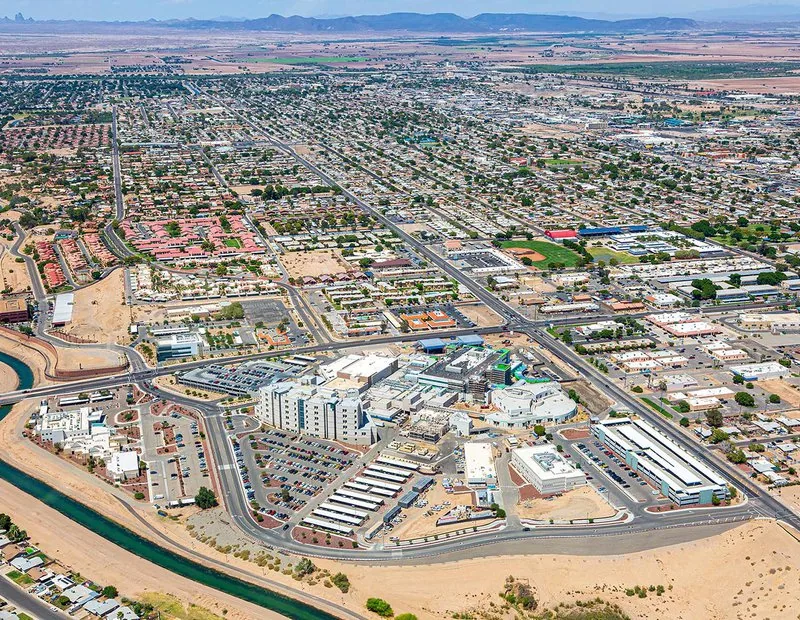
Shared buildings in a very small community tend to be funded by a handful of owners or members, the reserve behind each roof is often thin, and the number a board needs most is the year the next large cost arrives. Donovan Estates is a dense census-designated place with 1,295 residents in 2020 on about 0.13 square miles, and 385 housing units were counted there that year. Roofs that serve it wear out by sun and thermal swing, since the Yuma area receives only about 3.3 inches of rain in a year, and the board that learns the date of each roof's decline has time to fund it.
We inspect, repair, coat and replace commercial and shared-use roofs in Donovan Estates, AZ, and we write the findings into a record that a board, a lender or a buyer can follow.
Roof leaking now? Call 555-555-5555 for a site visit and estimate.
What can a board know about the place before anyone climbs a ladder?
Donovan Estates sits at about 125 feet of elevation in the Yuma area, and its students attend Crane Elementary School District and Yuma Union High School District schools, among them H.L. Suverkrup School and Crane Middle School. Those facts place the community on the map and inside a school boundary. The age, system and condition of a roof on a commercial or shared building are separate entries that only the roof can supply.
So the measuring starts there. We identify the system, take the slope, count drains and penetrations, probe seams and photograph each detail on a dated set. A small, simple roof is quick to cover, and the findings arrive in order of urgency with a cost range beside each. Because boards change membership, the report is written for a new treasurer to pick up cold: findings by location, photographs by date, costs by line and the next review date on the first page. A treasurer can then carry the roof as a dated line in the reserve study, with the photographs attached as support for each figure, and a lender asking about the building receives the same pages.
Related Roofing Work
Other pages that cover parts of the same roof question.
Commercial Roof Repair
Commercial Roof Replacement
Roof Coating Restoration
Roof Drains, Scuppers and Ponding Correction
Wall Lane
Avenue B and C
How should a thin reserve be spent across a roof?
Order matters when money is short. The first dollars go to items that keep water out of the insulation: failed flashings, open seams and blocked drains, since dry board is the cheapest asset a roof holds. The second tier restores a sound surface, and the last is replacement, held for the roof that is truly out of service. Our report sorts each finding into those tiers so the board funds the right things first.
We also show the cost of waiting. A repair made this season has a defined price, while the same repair delayed until water has wetted the board becomes a larger scope, and the report states how much larger. Set beside the reserve balance, that comparison lets a board approve a small repair now or knowingly accept a bigger bill later, with the minutes recording the reason. For a roof past saving, a phased replacement across two budget years can keep each payment within reach, with every phase dried in completely before the crew leaves so no section of new roof sits half built through a storm. The schedule names the order of sections, so the worst leaks are closed first and the sound sections wait for the second year.
When does a reflective coating pay its way?
A coating earns its cost when the roof underneath is dry and the old surface is sound. A reflective layer then lowers the temperature the membrane works at and adds several heat seasons for a fraction of the price of a new roof. The test is moisture, and an infrared scan with a handful of core cuts tells us whether the board holds water.
Where the board is wet, a coat would seal the water in and the failure would arrive early, so the report says so and prices replacement instead. Where a coating restoration goes ahead, we record film thickness so the owner can check later that the roof carries what was bought. Surface preparation takes a larger share of the budget than most boards expect, since the roof must be washed, seams resealed and fasteners reset before any coat goes on, and the scope lists each step so none is dropped to save a day.
What does one wet week do to a roof made for a dry year?
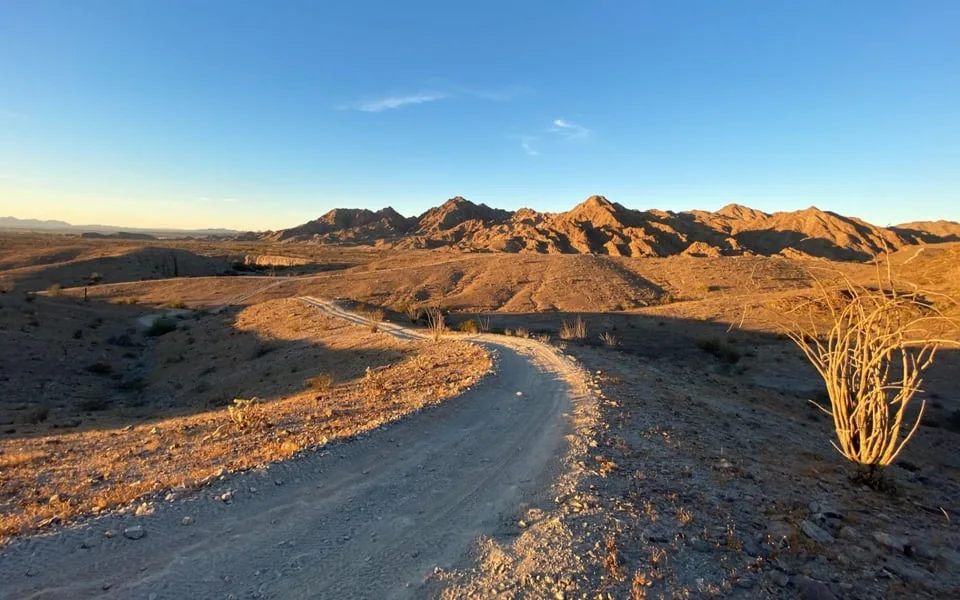
A large share of the yearly rain in this part of Arizona can fall in a few August or September days. Yuma Proving Ground, well north of Donovan Estates, recorded six inches during the 1992 monsoon and a gust of 61 knots in August 1996, and while those are range readings, they show how quickly a desert roof goes from dry to loaded.
A drain packed with dust will not carry that flow, so before the season we clear every drain and scupper, photograph it and log the date. We also tighten loose edge metal, since the first uplift of a gust finds the weakest cleat. Those two jobs cost little and prevent most storm-week emergencies. The dated photograph of a clear drain is also the first piece of evidence in any later claim. Vents, antennas and small equipment mounts each open the membrane, so we list every penetration with its condition and replace a tired flashing on a calm day, which is cheaper than replacing it after water has found the opening and wetted the ceiling below. Photographs taken from the same positions each season let the board compare one year with the next.
How does the work fit onto very little ground?
On 0.13 square miles there is not much room to stage a job. The scope names the truck route, the material drop, the dumpster location and the hours, and the board or manager gives residents notice with a phone number to call if a truck blocks a driveway or a work hour runs long. Cooler months and early starts give the best control of heat, and the monsoon allowance sits in the bid with a dry-in date.
A board that also manages buildings in Wall Lane or Avenue B and C can have all of them walked in one visit and ranked together, with the roof of least remaining service at the top. The file records who holds the keys, where the hatch or ladder is and which tenant must be warned before the crew arrives, so the next visit starts without a phone tree.
Questions About Donovan Estates
Can a volunteer board run a roof project without technical training?
Yes, if the report is written plainly. Ours lists findings by urgency, gives a cost range for each and states the year the next major cost falls due.
Is it better to patch every year or replace once?
Repeated patches on a roof with wet board cost more than the replacement they put off. A moisture survey shows which case the roof is in.
What is the first task before the monsoon?
Clear every drain and scupper of dust, then check the edge metal and flashings for loose fasteners. Both jobs are short and both are photographed.
Can one phase of a replacement be done this year and one next year?
Often, provided each phase is dried in before the crew leaves. The scope prices each phase separately and states the weather allowance for it.
What should a board send to get a first walk?
An address, photographs, any past repair invoices and the budget year. That is enough to schedule the walk and begin the ranked list.
Send the address and the reserve year
Send the building address, a few photographs and the year your reserve can fund, and we will walk the roof and return a ranked, priced list.
Call 555-555-5555 or email [email protected].