Commercial Roof Repair in Yuma, AZ
Repair spending on a commercial roof is a cost that tends to be recorded one invoice at a time and understood only in total, which is why a manager in Yuma, AZ benefits from seeing it as a single ledger. Rain is scarce here, about 3.3 inches in a year, while the thermometer passes 100 degrees F on some 117 days, so the defects we repair are mostly heat defects: seams that have pulled open, flashings that have shrunk away from a wall, sealant that has dried and cracked at a penetration. Each of those is a small repair on the day it is found and a larger one after a monsoon week finds it first. Our approach is to price each item in two columns, what the repair costs now and what waiting is likely to add, and to hold the photographs, so that the capital line for the roof reflects the condition of the roof and not the loudest complaint of the month.
Roof leaking now? Call 555-555-5555 for a site visit and estimate.
What goes on a repair ledger for a flat roof?
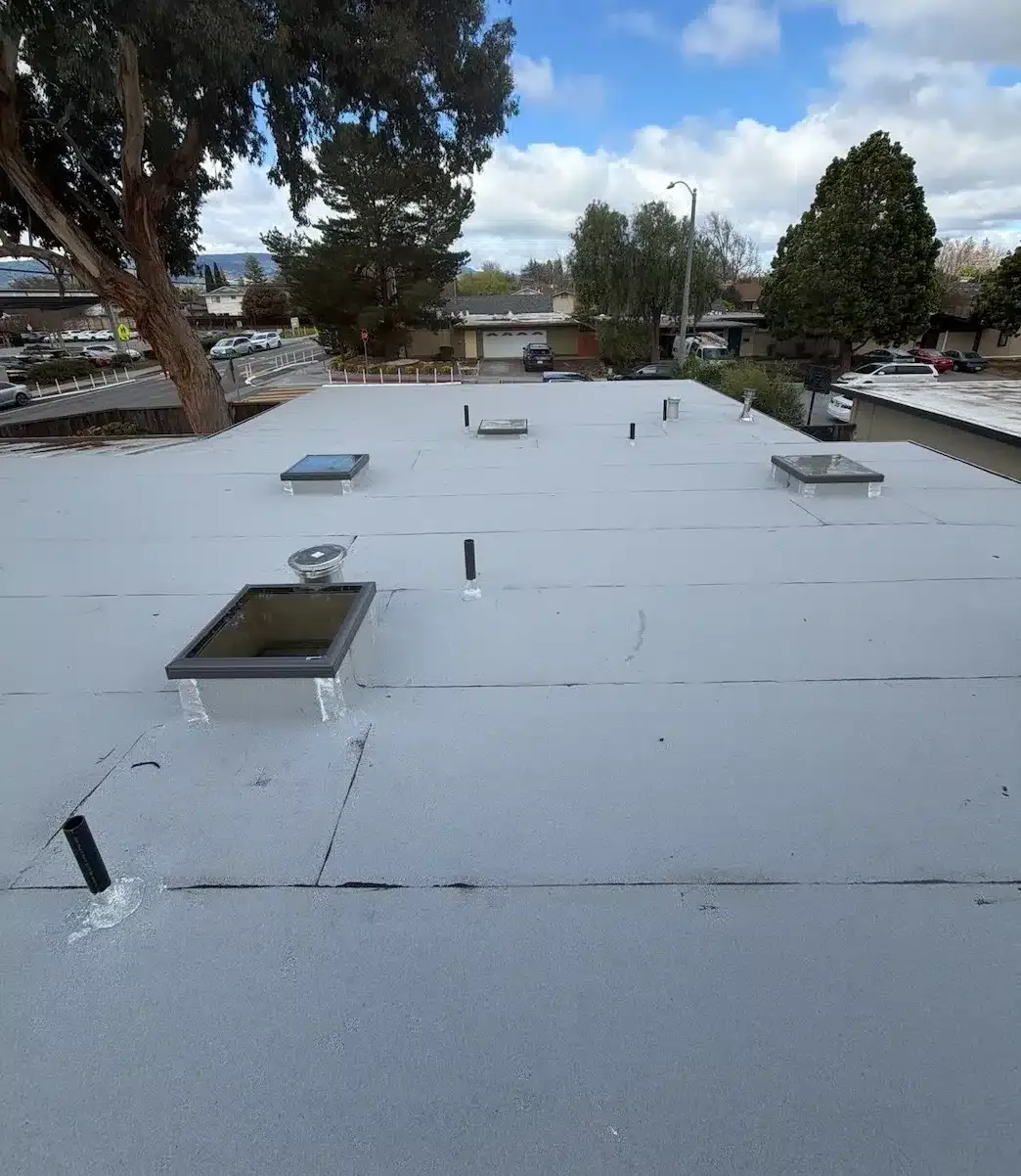
A repair ledger lists every defect found on the roof, its location on a plan, a dated photograph and a priced action. The defects fall into a short list: open or lifted seams, torn or punctured membrane, failed flashing at walls and curbs, cracked or missing sealant, clogged or poorly sloped drains, damaged edge metal and loose fasteners. Each is marked as a patch, a fix or a replacement of the component. A patch holds for a season or two and costs the least. A fix addresses the cause, such as re-flashing a curb, and is priced higher. A replacement, such as new edge metal, resets the clock on that detail. With all three prices on one sheet, a manager can compare the cost of keeping a roof alive against the cost of retiring it, and can defend whichever choice they make.
Related Roofing Work
Other pages that cover parts of the same roof question.
Seam Failure Repair
Flashing Failure Repair
Roof Coating Restoration
Somerton
San Luis
Preventive Roof Maintenance
Why do Yuma roofs open at the seams and flashings first?
Thermal movement does it. A flat roof in Yuma gains many degrees of surface temperature between a cool morning and a hot afternoon, and the membrane expands and contracts with that swing every day of the year. Seams, where two sheets are joined, and flashings, where the membrane turns up a wall or around a pipe, are the places where that movement concentrates. Over years the bond weakens, a seam edge lifts, and a flashing pulls away at the top. Ultraviolet exposure then dries the sealants that were meant to keep those details closed. A seam failure or a flashing failure found early can usually be repaired at its detail. Found after the August and September monsoon has pushed water through it, it often involves wet insulation underneath.
What does a monsoon week add to a repair bill?
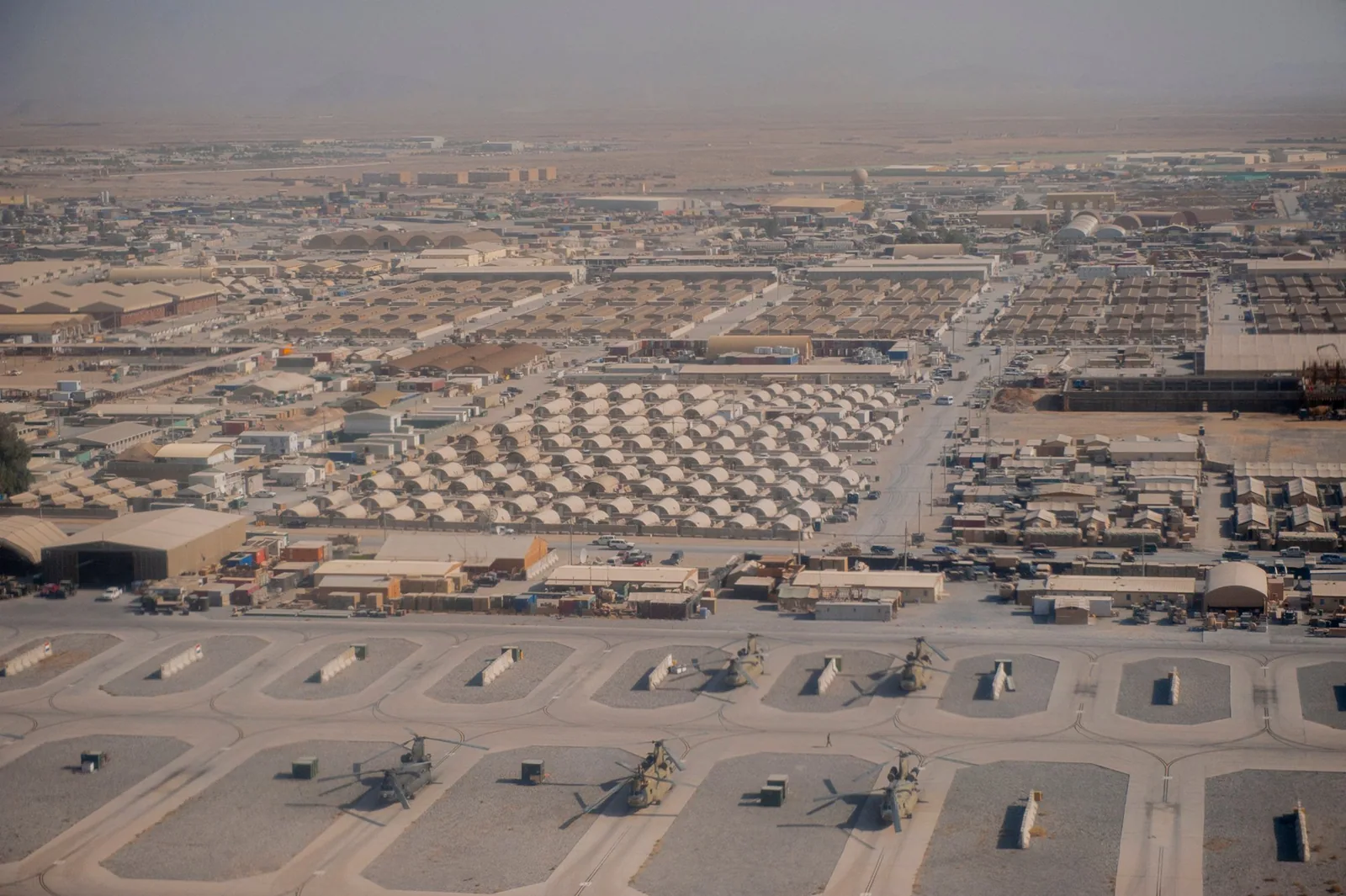
A monsoon storm gives a dry roof its test. A single monsoon season at Yuma Proving Ground north of the city once put six inches of water on the ground, more than that desert sees in a typical year, and the same storms push outflow wind ahead of the rain. On a roof that otherwise sees little water, drains and scuppers are often found clogged with dust and debris, and a seam that held for years can open when wind lifts the edge and water follows. A repair that would have been a short seam weld in July becomes, after a week of rain, a wet-insulation removal, a cut-out and a patch, and sometimes an interior ceiling and tenant disruption as well. We therefore recommend that managers book a pre-monsoon walk, clear drains and scuppers, and fix open seams in the early summer, when the work is quick and cheap.
How do we decide between patching and fixing?
The decision comes from three questions about each defect. Is the surrounding membrane sound enough to hold a patch? Does the cause of the failure still exist, such as a curb with no cant strip or a drain that sits above the roof surface? And how many years does the owner expect to keep this roof? If the membrane is brittle, a patch will fail at its edge within a season, and the money is better spent on restoration of the whole field. If the cause remains, a patch only postpones the repeat visit. If the roof is within a few years of replacement, patches at the lowest cost may be the correct plan, and we say so on the ledger. Our recommendation is written next to each item with its price, so the owner approves a decision and not a vague package of work. Where two defects share a cause, we price them as one fix, since repairing the symptoms separately only returns the crew to the same detail twice. Items we recommend deferring are listed too, with the condition that should trigger a return, such as a second open seam at the same wall or standing water that lasts beyond a day.
Which repairs recur across Yuma building types?
Retail centers around Yuma Palms and the Interstate 8 corridor tend to bring repeated penetration work, because rooftop units, vent stacks and signage supports create many details on one roof. Warehouse-type buildings near the airport and Highway 195 put seam and fastener work first, since the list on a wide roof field is mostly those two items. Medical and school roofs bring access constraints, with repairs scheduled around patients, classes and noise limits. Around Somerton, where the economy rests on agriculture and medical services, and San Luis, with its retail, agriculture and assembly plants, farm-related and light-industrial buildings need laps, fasteners and sealant checked on every visit. Each building type sets the access plan and the likely defect list, and we tailor the ledger accordingly instead of repeating a standard checklist from one site to the next.
Questions About Commercial Roof Repair
How quickly can a repair be priced?
Once we have walked the roof, the ledger follows within a few working days. Urgent items, such as an active leak, are tarped or patched first and priced afterward, with the photographs attached.
Will repairs affect the manufacturer warranty?
They can, if the wrong method or material is used. We check the warranty terms before repairing a covered roof and use the approved details, then note the work in the warranty file.
Why are small repairs sometimes priced above their size?
Mobilization, safe roof access and surface preparation do not shrink with the patch. Grouping several defects into one visit lowers the cost per item, which is why we build a ledger and not a single-item quote.
When is repair no longer worth the money?
When repair spending on a roof approaches the cost of the next phase of its life, or when moisture has spread through the insulation. At that point, the ledger shows replacement as the lower cost over time.
Can repairs be done while the building operates?
Yes. We schedule noise and access around tenants, route foot traffic away from entrances and keep the interior protected below any open detail.
What proof does the owner get when the repair is finished?
Each repair is photographed before, during and after, with the location marked on the roof plan and the date recorded. The owner receives these sets together with a short note listing what was done, what was deferred and what the next inspection should check. If a manufacturer warranty is in force, we confirm that the repair method is compatible and note it in the warranty file. If insurance may be involved, the same photographs support a claim. The point of the closeout is to keep the roof history continuous, because a roof with a clean repair record is easier to insure, easier to sell and easier to plan a replacement for. We also leave a recommendation for a return visit, and for owners with several buildings, a maintenance schedule that spaces visits around the heat season and the monsoon.
Send the leak history and the roof plan
Share the roof plan, the invoices from recent repairs and the year the roof was installed, and we will return a priced ledger with photographs, sorted into patch, fix and replace. Call to book a walk before the heat peaks or the monsoon arrives.
Call 555-555-5555 or email [email protected].