
Silicone Roof Coatings in Yuma, AZ
Restoring a roof with a silicone coating converts a replacement that an owner has not yet funded into a smaller spend that can be scheduled, and the case rests on a film thickness that can be measured. Silicone is a liquid-applied elastomer that cures into a rubber-like skin, resists ultraviolet degradation and keeps its flexibility in the heat that Yuma, AZ delivers whenever the thermometer passes 100 degrees F, which it does on about 117 days a year. Because the coating is applied over the existing roof, the building avoids tear-off, disposal and most of the disruption of a reroof. What the owner buys is a number of additional heat seasons, and we define that number from the substrate, the film applied and the maintenance plan, not from a brochure.
A coating restoration runs in a fixed order: survey, repair, prime where needed, reinforce details, coat, measure. Each step produces a record, and the sum of those records is the file a lender or board can read. For an owner who is also weighing an acrylic coating, the silicone proposal sits next to it with the cost per year of added life stated for both.
Roof leaking now? Call 555-555-5555 for a site visit and estimate.
Which roofs are good candidates for a coating?
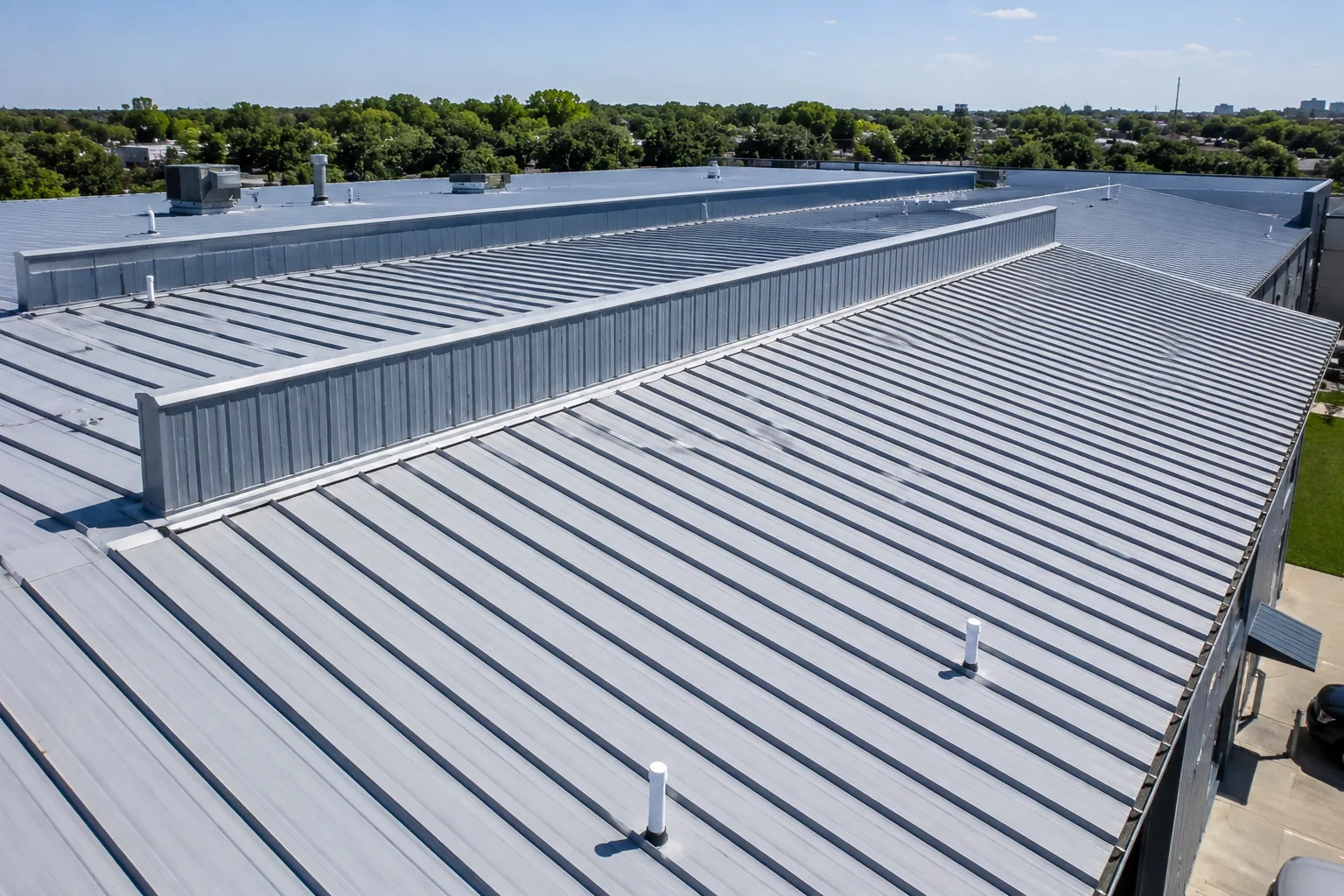
A coating can only extend a roof that is still sound under the surface. We test for wet insulation with infrared and moisture probes, check the attachment of the existing membrane or metal, and look at the seams, flashings and drains. Single-ply roofs, modified bitumen, built-up roofs, metal panels and spray foam can all take a silicone system when they are dry and well bonded; roofs with saturated insulation, widespread blistering or failed decks cannot. We write the finding into the scope, sorting each area into coat, repair then coat, or replace, so that the owner does not pay for coating over a problem that needs a different answer. Where the answer is replacement, we say so and price full replacement alongside.
The test also covers the substrate chemistry. Silicone sticks well to many surfaces but not to all, so we run an adhesion test patch on each roof type, pull it after curing and photograph the result. Asphalt-based surfaces may bleed into the coating and stain it, so a barrier primer is specified where the existing roof calls for one. Rust on metal is wire-brushed and treated, and loose granules on a cap sheet are swept away. The cost of preparation can exceed the cost of the coating, and an owner should see that figure before agreeing to a bid that appears cheap because the prep was left out.
Related Roofing Work
Other pages that cover parts of the same roof question.
Roof Coating Restoration
Acrylic Roof Coatings
Spray Foam Roofing
Commercial Roof Replacement
Ponding Water Roof Repair
Occupied Building Reroofing
Why is silicone chosen for roofs that hold water?
Few roofs in Yuma hold standing water for long, since the area gets only about 3.3 inches of rain annually, but when the monsoon does arrive the low spots on a flat roof can hold water for days. Silicone tolerates ponding better than most acrylic coatings, which can soften or break down when immersed. That tolerance makes silicone the common choice for flat roofs with poor drainage, and it can bridge to a drain-and-slope repair when the water needs a path. We map ponding after a storm and record the depth and the drain and scupper tally, then use the data to decide where tapered insulation or an added drain is justified. The ponding repair is a separate line in the scope.
What happens to a white coating over years of dust?
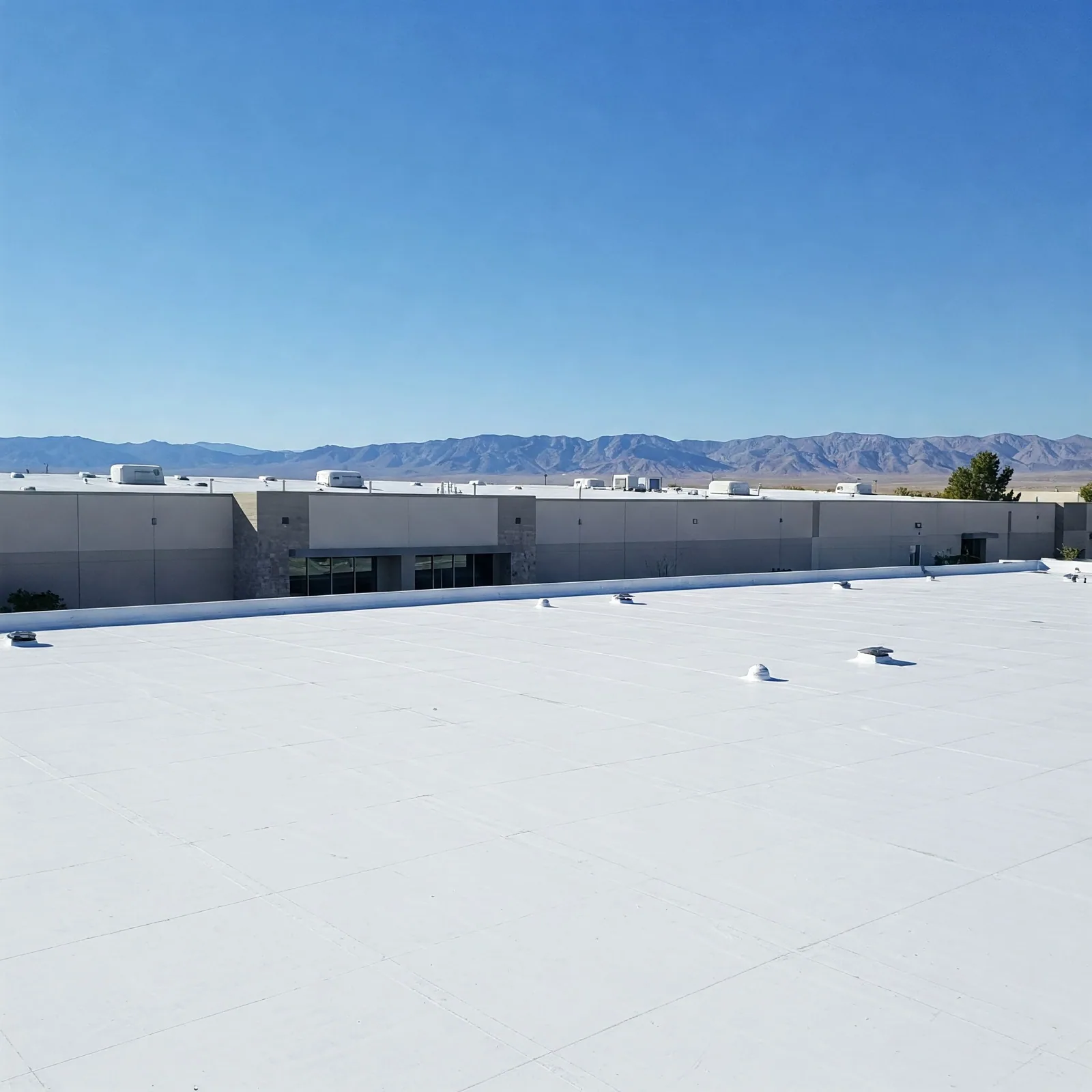
Silicone is naturally tacky when new, and it picks up dust, especially in a place where haboobs send fine particles into the air. A dirty white surface reflects less and runs hotter, which is why we take reflectance readings and surface temperature readings at installation and again at inspections. A rinse after the monsoon and a wash before the heat season restore much of the reflectance, and the schedule for those washes belongs in the maintenance plan. The film itself does not need a primer on silicone-over-silicone recoating, which simplifies recoat jobs. Even so, the owner should plan on a recoat when film thickness readings fall below the specified minimum, and the reserve schedule should carry that date.
When can coating be applied without a weather hold?
Coatings need a clean, dry surface, and cure times depend on temperature and humidity. In Yuma the dry months give a wide window, though surface temperatures on a roof in summer can exceed what the product allows, so we schedule application for mornings and shoulder seasons. August and September bring the monsoon, with winds that reached about 70 mph at Yuma Proving Ground, and a fresh coating that has not cured can be damaged by a sudden shower. Dust that blows onto a wet film becomes part of it, and a haboob that arrives during application can leave a gritty finish that has to be cleaned and recoated. The bid lists the weeks we expect to hold and the cost of holding, so the owner sees the schedule risk on paper. Work on an occupied building is zoned so that tenants keep access.
Where do coated roofs make sense around Yuma?
In the Yuma Palms retail corridor, a coating program on a retail owner's schedule can be staged across a few budget years, building by building. Produce packing and cold storage buildings, which are tied to the trucking traffic through Yuma County, can be restored if their older membranes test dry. In San Luis, distribution buildings near the crossing where Mexican Federal Highway 2 meets U.S. 95 are candidates wherever cooling load is a constant cost. For each case, the file includes the photographs, film thickness records, and warranty file, and we recommend a yearly inspection with new photographs.
On the retail side, a coating schedule that follows the lease calendar lets the landlord avoid the holiday season, when rooftop access and noise are hard to arrange; at the Yuma Palms corridor, where big-box neighbors such as Target and Sam's Club stand beside the main tenants, each tenant's rooftop equipment adds details that must be sealed. A coating program for a Yuma Palms retail building therefore begins with an equipment map. Hospital campuses such as Onvida Health call for a different approach, with low-odor products and careful intake protection.
Questions About Silicone Roof Coatings
How many coats does a silicone system need?
Most systems use a base coat and a top coat, with fabric reinforcement at seams and penetrations. The total film thickness is set by the product and the roof, and we measure it with gauges during application.
Can silicone be recoated later?
Yes. A clean silicone surface accepts another silicone coat with little preparation, which makes the second round cheaper. A different coating type over silicone needs special preparation, so we plan the sequence in advance.
Will coating stop an active leak?
Leaks are located and repaired first. Coating then seals the repaired details and the field. Applying it over a leak without finding the source usually fails, so we trace water with infrared and flood tests where needed.
Does silicone work on a metal roof?
It bonds well to many metals once rust is treated and primer is applied where the product requires it. We tighten fasteners and seal laps first, then coat the whole roof so the sealed details are protected.
What does a coating do to the cooling load?
A reflective white surface runs cooler than a dark one, which reduces heat entering the building. The size of the saving depends on the insulation and equipment, so we log surface readings before and after rather than promise a figure.
Send the roof plan and the moisture results
Share the roof plan, the roof type and age, and any recent moisture or infrared findings, and we will return a dated silicone coating scope with repair quantities priced separately. Call to book a walk.
Call 555-555-5555 or email [email protected].