Commercial Roofing in Martinez Lake, AZ
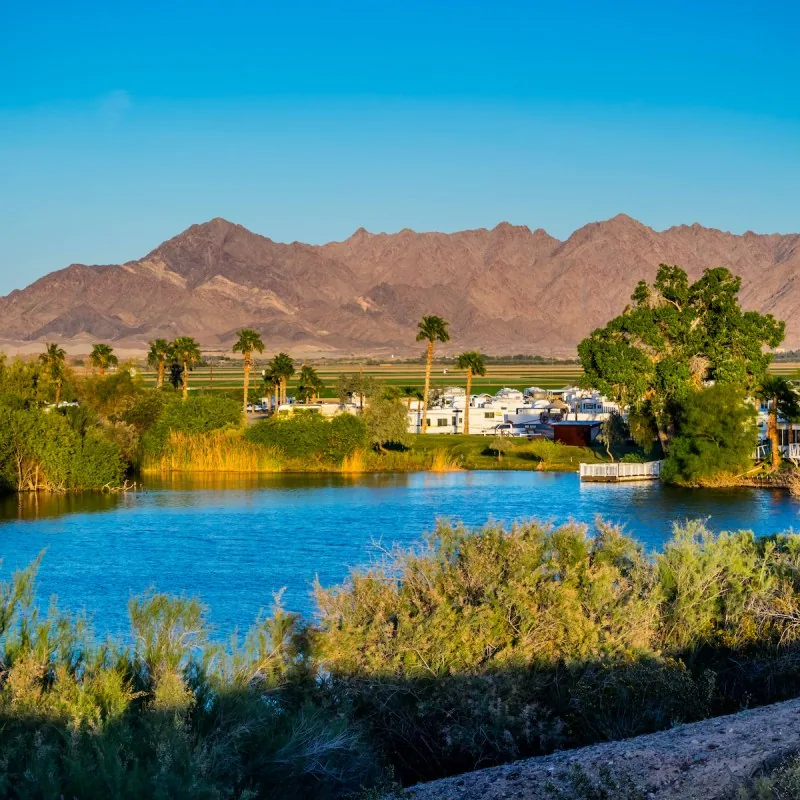
Martinez Lake counted 798 residents in 2010 and 94 in 2020, and for the owner of a commercial building there that drop changes the roof question from how to maintain it to how much roof to carry at all. The census-designated place was founded in 1958 as a fishing community, is described as primarily a vacation community, covers 2.24 square miles with about two-thirds of that water, and sits near the Imperial National Wildlife Refuge. Commercial Roofing Yuma starts a Martinez Lake, AZ roof scope with that choice in view: the cost of keeping each building weathertight, set against what the building is used for and how many weeks a year anyone is inside it.
Roof leaking now? Call 555-555-5555 for a site visit and estimate.
Which buildings earn a capital line, and which get a hold plan?
A roof over a space that earns money in the busy months, such as a shop, a rental office or a service building that guests use, earns a full line in the reserve schedule. A roof over a building that is used a few weeks a year may be better served by a hold plan: inspect twice, seal what is open, keep water out, and defer the larger work until the use justifies it. We price both paths and put the deferred cost beside the hold plan so that the decision is visible and dated.
The first walk establishes the facts the choice depends on: system, approximate age, attachment, drainage and moisture. An infrared moisture survey shows whether insulation is wet, which usually decides whether a hold plan is possible at all. Dry insulation under a worn membrane supports a plan that carries the roof through several seasons, while wet insulation means every storm adds to the damage and the deferral stops saving money.
Related Roofing Work
Other pages that cover parts of the same roof question.
Infrared Roof Moisture Survey
Emergency Roof Repair
Commercial Roof Repair
Roof Coating Restoration
Roll
Tacna
What does the heat season do to a roof nobody visits?
A building closed for the hottest months takes the whole summer without anyone on the roof to see a seam open or a coating thin. Yuma's all-time high of 124 degrees F came in 1995, and the daily rise and fall in temperature, the movement that counts since Yuma's record low is only about 21 to 22 degrees F, goes on working at laps and flashings whether or not the building is open.
A closing walk before the quiet months clears the outlets, photographs every seam and drain from marked positions and logs surface readings. The opening walk repeats the photographs, and the difference between the two sets is the record of what the summer did, which is the entry an owner can hand to an insurer if a claim follows. Heat limits repairs as well, because adhesives and coatings need workable surfaces, so bonding is done in cooler hours and larger scopes wait for the cooler months, ahead of the busy season.
What does an exposed edge change on the walk?
Edges and corners take the most wind on any building, and in a community that is two-thirds water that makes perimeter attachment a first question. The walk looks hard at coping, edge metal and perimeter attachment: we check for lift, add fasteners where a membrane edge has loosened and re-bond what has pulled away. On metal roofs we pull a fastener sample, inspect laps and ridge and look for rust staining at penetrations.
Birds and debris are the other recurring item. Nesting material and droppings pack into scuppers and hold water against the membrane, so the closing walk clears them and the opening walk confirms they have stayed clear. A strainer dome on an exposed outlet costs little and keeps the opening free through the season. Where a coping joint has opened or a cleat has pulled, the repair is photographed before and after, and the perimeter gets a second look after the first strong storm, because edge failures spread quickly once wind finds a loose corner.
What does a buyer or a lender see in the file?
A building that changes hands in a small vacation community is judged on paper, since the buyer cannot walk the roof during every season. The file gives that buyer the system and its approximate age, the dated photo sets from each closing and opening walk, moisture results, a drain and scupper tally and the open items with their deferred costs. A lender reads the same pages as a risk statement: what is known, what is open and what the owner has set aside.
Where an owner has chosen a hold plan, the file says so and states the conditions that would end it, such as a wet reading in a new core, a seam that has opened beyond a patch or a storm that leaves visible damage. Each of those triggers is a dated entry, and none depends on someone remembering to look.
How is the monsoon week carried in a lakeside bid?
When a monsoon storm arrives, a roof that rarely sees water receives a season's worth in an afternoon, on drains that went untested all spring, and a closed building has nobody inside to place a bucket or call a crew. The hold allowance, the early clearing of outlets and the standing dry-in response are the three items that stand in for that missing person. The storm months are August and September, with a heavy December rain possible, and Yuma Proving Ground logged a gust of about 70 mph in August 1996. We clear outlets before August, check edges, and write the hold into any scope that crosses the wet months. Our emergency response places a temporary dry-in at any hour if water enters, and the photo set from the last visit shows what the storm changed.
Questions About Martinez Lake
Is a hold plan cheaper than a full roof program?
For a lightly used building on a dry roof, often yes. It costs two walks a year and a deferred figure on the open items, and it stops being cheaper if the insulation is wet.
What does the closing walk record?
Clear outlets, resealed penetrations and a dated photo set of every seam, so the opening walk can show what changed.
Does open frontage change the inspection?
It puts more attention on edges, corners and metal attachment, which take the most wind on any exposed roof.
How is a monsoon storm handled?
With a hold in the bid and a fast response: outlets cleared before August, a dry-in if water enters and a comparison against the last photo set.
Can Martinez Lake be walked with other far-flung roofs?
Yes. Walks are grouped by route, which holds the travel line down and keeps every record on one calendar.
What does each path cost, and what moves the figure?
Cost on a lightly used building turns on three tests: whether the insulation is dry, whether the deck is sound and how much life the membrane has left. Dry and sound with local defects points to a repair. A worn but whole membrane over dry board points to a coating restoration, which needs a cleaned surface. A wet reading changes the answer, since it points to a recover or a replacement. On a distant roof the trip count weighs more than the roofing, so tasks are combined and the package is priced as one, with optional items such as added insulation or a reflective surface shown beside the base scope.
Crews come from Yuma and group lake visits with other stops outside the city, including Roll and Tacna. An owner with several properties can put them on one calendar through a multi-site program. For a seasonal owner, the useful habit is a walk booked just before the busy months open and a second photo set taken after the monsoon weeks, so the file shows what changed while the building sat quiet. Those two dated entries cost little and let a buyer or lender see the roof was watched even when nobody was there.
Send the Roof Plan, Last Record and Budget Year
Send the roof plan, the last inspection record and the budget year, and we will set a closing walk and a dated scope before the heat season closes the work window.
Call 555-555-5555 or email [email protected].