
Commercial Roofing in South Gila Valley, AZ
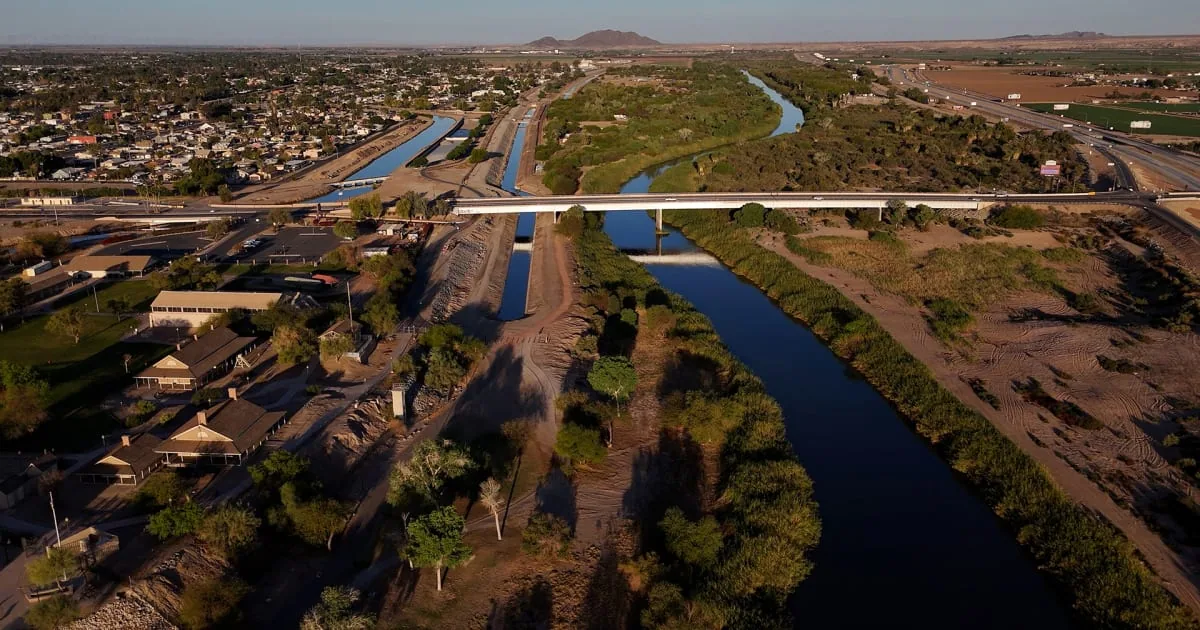
A packing or cooling building turns its roof into part of the refrigeration system, and the line that matters is how much of the cooling bill leaks away through wet insulation. The Gila River Valley runs about 10 miles from the Colorado River confluence to the northern end of the Gila Mountains and divides into the North Gila Valley and the South Gila Valley; the south half borders the Yuma Mesa, and its communities are agricultural, most of all toward Yuma in the south and southwest. Yuma County leads Arizona in crop value, and that output puts packing, cooling and equipment buildings on the valley farmland, and a roof over a cooled space needs moisture control first, a membrane second and a cost-of-waiting figure beside both.
Roof leaking now? Call 555-555-5555 for a site visit and estimate.
Where does a cooled building's roof get wet from below?
Cold air inside a building draws warm, humid air toward the roof, and water forms wherever the two meet inside the assembly. Outside air is dry for most of a Yuma-area year, but the monsoon changes that, and condensation can wet insulation from below even when the membrane above is intact. A small gap in a vapor retarder at a penetration, a curb or a wall joint is enough to let moist air in, and over seasons the board saturates, loses insulating value and adds weight to the deck.
We map it with an infrared moisture survey taken at dusk, when wet areas hold heat longer than dry ones, then confirm with core cuts at the cold spots. The survey separates insulation wetted by condensation from insulation wetted by a leak, and the repair differs: one calls for sealing the interior side, the other for flashing or membrane work. Paying for the wrong fix means paying twice.
Interior signs help. Frost or ice at a ceiling seam, rust streaks on a steel deck seen from below and a musty corner in a cooler are all clues, and the facilities team often notices them before the roof does. We ask what has been seen inside and walk the underside where access allows.
Related Roofing Work
Other pages that cover parts of the same roof question.
Infrared Roof Moisture Survey
Rooftop Equipment Curbs and Supports
PVC Roofing
TPO Roofing
North Gila Valley
Buckshot
What does refrigeration equipment do to a roof?
Condensers, evaporator penetrations and refrigerant lines cross the roof in numbers, and each carries heat, vibration and condensate. Condensate that drips onto the membrane in one spot for years leaves a stained, softened patch, lines that run across the roof on blocks wear the sheet, and curbs flashed once and never inspected open at the corners. The first walk counts and photographs every one, and the repair list orders them by risk.
Equipment changes bring risk of their own. A condenser swap lifts the old unit off its curb and sets a new one, exposing the flashing to crane work and foot traffic. We coordinate with the refrigeration contractor so the curb is inspected and rebuilt in the same window, and our curb and support work follows that sequence. A drain line that ends on the membrane instead of in a pan will wear through the sheet, so we reroute it, which costs little, and photograph the corrected path for the roof record.
Which membrane suits a packing building?
Exhaust from a packing space can carry oils and moisture past the roof, and some membranes tolerate that exposure better than others. PVC roofing resists many fats, oils and chemicals and is often chosen where exhaust lands on the roof. TPO offers a reflective surface at lower first cost and suits roofs without heavy exhaust. Both are heat-welded, which gives a continuous seam, and a coating can restore either when the sheet is sound, though a coat over oily deposits needs cleaning and a compatibility check first.
The choice should follow what the roof is exposed to and not a standard spec. We look at where exhaust vents discharge, what the fans move and what ends up on the roof, and we recommend accordingly, then enter the reasoning in the file so the next replacement starts from the same facts.

How do heat and the monsoon shape the work calendar?
Yuma passes 100 degrees F on 117 days a year and gets about 3.3 inches of rain, with the wettest months in August and September. Work on a cooled building has a double constraint: heat that shortens the working day and a refrigerated interior that cannot be left open to rain. We plan in sections sized to the day's weather, seal every evening and hold standby materials for storms, and the work is sequenced to keep any opening over the cold space as small as possible.
The best months for a large project are the cooler ones, which are also the busy months for the farm economy. Where a building runs through the leafy-vegetable season, a shoulder-month schedule or a phased plan lets the plant keep operating, and the bid shows the cost of each option so the operator can weigh a slower job against a shutdown.
What does wet insulation cost if we wait?
Waiting has three costs. The insulation loses value, so cooling runs harder for the same temperature. The deck carries weight it was not designed for and may corrode if it is steel. And the wet area grows, so the eventual repair or replacement covers more roof. Each is measurable: the survey puts a size on the wet area, and the owner can compare today's repair cost with the larger cost later.
For owners with buildings in several parts of the valley, including the North Gila Valley and nearby places such as Buckshot, a program that surveys all roofs in one visit and ranks them by risk spreads the cost across the capital plan and lets the worst roofs go first.
Questions About South Gila Valley
How can we tell condensation from a leak?
Watch the pattern. A leak follows rain, while condensation follows the temperature difference. A moisture scan and core cuts settle it.
Can wet insulation be dried in place?
Rarely. Wet board is usually cut out and replaced, along with the membrane over it, once the source is fixed.
Does a vapor retarder belong on a cooled building?
Often yes, depending on the temperature difference. It sits below the insulation and is sealed at the penetrations.
Can the roof be replaced while the plant keeps running?
In sections, yes, with attention to the cold space below. We schedule around loading and production.
Which documents help a refrigeration contractor?
The curb register, the roof plan and the moisture map. They show where equipment sits and which curbs have been rebuilt.
What goes into a cooled-building roof record?
The record is a binder with the moisture map, core photographs, curb and penetration register, condensate path photographs and the warranty file. Each equipment change adds a line for what was swapped, when, who flashed the curb and what the inspection found afterward, and each season adds a short update on drains and seams.
That binder serves the maintenance team, the refrigeration contractor and the lender. It also supports the energy conversation, since dry insulation and a reflective surface lower the cooling load and the readings show it. A scheduled maintenance plan keeps the record current without extra effort from the owner. When replacement comes, the record tells the designer what is under the surface, how wet it was and where the equipment sits, which saves survey cost and shortens the schedule on a building that cannot stay open to the weather. The same binder lets the next owner see which sections were replaced, which were only coated and which still carry the original board.
Map the wet insulation before the next season
Send the roof plan, the equipment list and the operating calendar, and we will schedule a dusk moisture survey and return a ranked repair list with a cost of waiting beside each item.
Call 555-555-5555 or email [email protected].