Cool Roof Installation in Yuma, AZ
A reflective roof in Yuma is judged by two numbers an owner can check: the surface temperature on a July afternoon and the reflectance reading after a few seasons of dust. With about 175 sunny days a year, and 100 degree F weather on roughly 117 days between April and October, a Yuma roof carries a heavy solar load, and the color of the top layer decides much of what happens next. A cool roof lowers the heat the membrane holds, eases the work of rooftop cooling equipment and slows the aging that sun and thermal swing impose. We install reflective systems with measured readings before and after, so the benefit is a matter of record.
Roof leaking now? Call 555-555-5555 for a site visit and estimate.
What makes a roof a cool roof?
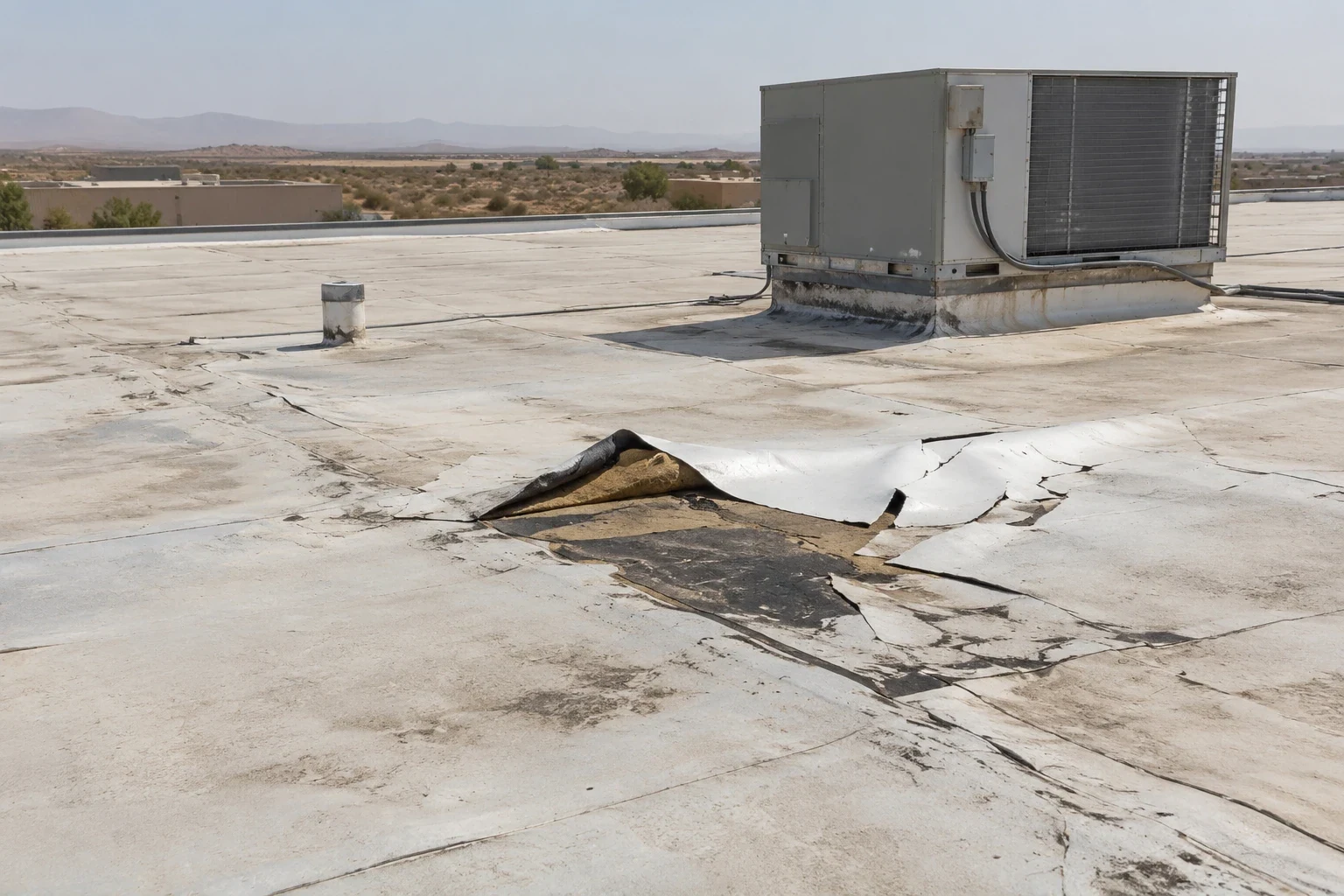
Two properties matter: solar reflectance, the share of sunlight the surface bounces back, and thermal emittance, how readily the roof releases the heat it does absorb. A white or light-colored single-ply sheet, a reflective coating over an existing membrane, or a light-colored metal panel can all qualify. Dark membranes absorb most of the light that reaches them, and a dark roof in the Yuma summer can run far hotter than the air above it.
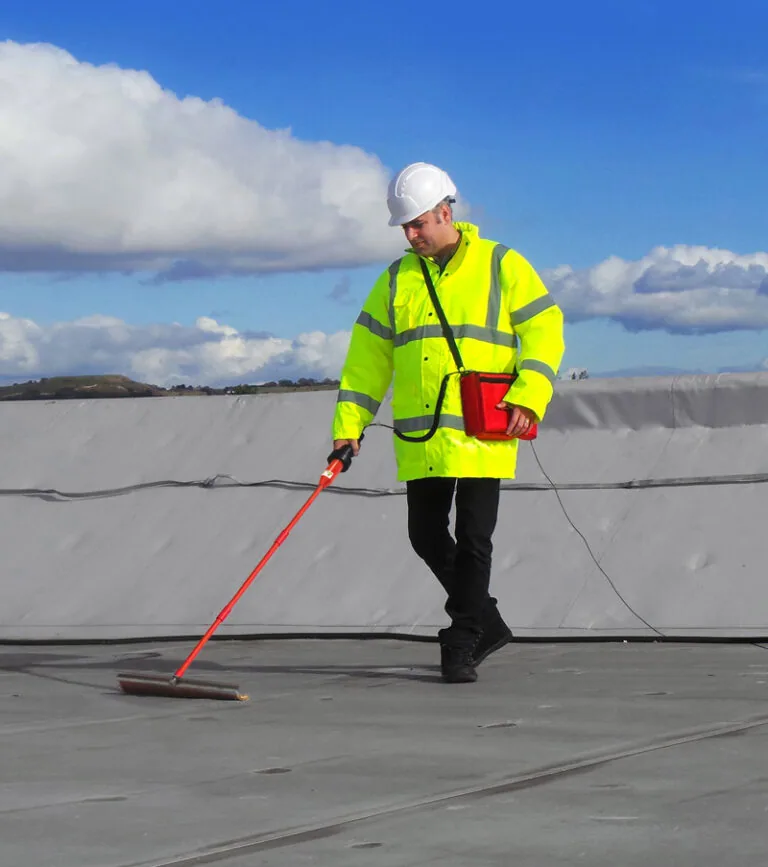
Reflectance is not permanent. Dust, oil, algae and foot traffic dull the surface, so a new white roof reads high and then drifts down. Dust matters here in particular, because haboob storms in the monsoon season lay a film across exposed roofs. We take a baseline reading on installation, record readings on later visits and plan washing or recoating when the numbers drop. That log is the basis for the energy discussion with the owner.
Edge and detail work matters on a reflective roof too. Flashings, walls and curbs are often finished in a darker material or left bare, and those details heat up and fail first. We specify a matching reflective finish for the details so the whole roof, not just the field, stays within the target.
Related Roofing Work
Other pages that cover parts of the same roof question.
TPO Roofing
Acrylic Roof Coatings
Roof Coating Restoration
Standing Seam Metal Roofing
Preventive Roof Maintenance
South Yuma Airport and Industrial Area
Which cool roof system fits which building?
A building that needs a new roof anyway can take a white TPO or PVC sheet, which is reflective from the factory and installed with heat-welded seams. A sound existing membrane can be restored with a reflective acrylic coating or a silicone, which adds reflectance without a tear-off and defers the replacement bill. Metal roofs can take a factory-applied reflective finish or a field coating. Each path has a different cost, life and maintenance rhythm, and the right one depends on the age and condition of what is already on the building.
For a roof that is a candidate for coating restoration, the moisture survey and the film plan come first, because there is no value in making a wet roof white. For a replacement, the choice between single-ply and coated systems is made on service life and the lender's horizon, not on color alone.
Metal buildings deserve a note of their own. A reflective finish on standing seam panels cools the building without adding layers, though the fasteners, seam clips and penetrations still need their own sealing plan. Retrofit options on metal roofs avoid a tear-off and can be installed over existing panels where the structure allows.
What does a cool roof do for the cooling bill?
The effect is real, but its size depends on the building. A roof with thin insulation, a large conditioned space beneath it and a long cooling season gains the most, and a deeply insulated roof over a small space gains less. Buildings whose rooftop units sit on the hottest part of the roof see the equipment work in cooler air near the surface. The dollar figure should be estimated per building, from the area of the roof, the insulation, the equipment and the utility rate, and checked against bills afterward.
We do not quote a percentage for a whole class of buildings, because the same white sheet performs differently on a refrigerated warehouse and on a retail strip. What we can supply is the pre-install and post-install surface temperature log and the reflectance reading, which an energy consultant or the owner's own staff can turn into a payback figure. The cost line then sits next to a measured benefit, which is the kind of paper a board will approve.
Equipment performance is a second angle. Condensers and package units draw air across the roof, and air that has passed over a very hot surface makes them work harder. A cooler roof lowers the air temperature around the equipment, so the cooling plant spends less time at its limit on the hottest afternoons.
Does reflecting the sun also protect the roof?
Yes, in a way that adds up. A membrane that stays cooler expands and contracts less, loses plasticizer and surface polymers more slowly, and sees its seams stressed less often. Thermal swing is the movement that matters in Yuma, where freezing is rare and the record low is only around 21 degrees F, so cutting the daily peak helps the whole assembly. Coatings in particular stop UV from reaching the base sheet, which extends the time before the membrane needs replacement.
None of that replaces maintenance. A cool surface still needs drains cleared and seams checked, and the work belongs in a maintenance program that includes the reflectance log. Roofs with ponding need a fix first, since standing water holds dirt and algae that darken the surface.
A cooler membrane also changes repair behavior. Patches and seam welds are easier to make when the sheet is not baking, and crews can work longer into the morning before the surface becomes unsafe to touch. That shows up in shorter repair visits and fewer abandoned details during the summer.
Where do cool roofs make the strongest case?
Cold storage and produce packing buildings serving the trucking trade are the clearest fit, because a roof that stays cooler asks less of the refrigeration plant below. New buildings on the Panattoni site beside Highway 195, part of the South Yuma airport and industrial area, give owners the chance to choose a reflective system from the first day. Retail owners at Yuma Palms, a power and lifestyle center, can lower the heat load on roofs that shelter rooftop cooling equipment. A hospital roof, where cooling runs around the clock for the patient floors below, is another place where a measured drop in roof temperature deserves a test.
Owners of older dark membranes should know that a recoat in white can often be done while the building is occupied, with the crew working in sections and the odor controlled, and that the work fits a shoulder-season window.
Questions About Cool Roof Installation
Will a white roof get dirty and lose its benefit?
Reflectance does fall as dust and grime collect. Washing or recoating on a schedule restores much of it, and our readings show when.
Can a dark roof be made reflective without replacing it?
Often, if it is dry and well attached. A coating system turns the surface white and adds service life, though the age of the base sheet still limits the total.
Is a cool roof required by code in Arizona?
Requirements vary by jurisdiction and project type, and we confirm them with the local building department before specifying the system.
Do cool roofs work with solar arrays?
They do. The reflective surface sits beneath the panels, and the layout must leave room for service access and drainage.
How soon does the temperature difference show?
Immediately after the surface is cured. A surface temperature reading on the first hot afternoon gives the baseline comparison.
Take a surface temperature reading first
Send the roof plan, the current membrane type and the cooling equipment list, and we will take baseline readings and return a dated scope for a reflective system with its expected maintenance.
Call 555-555-5555 or email [email protected].