Government Building Roofing in Yuma, AZ
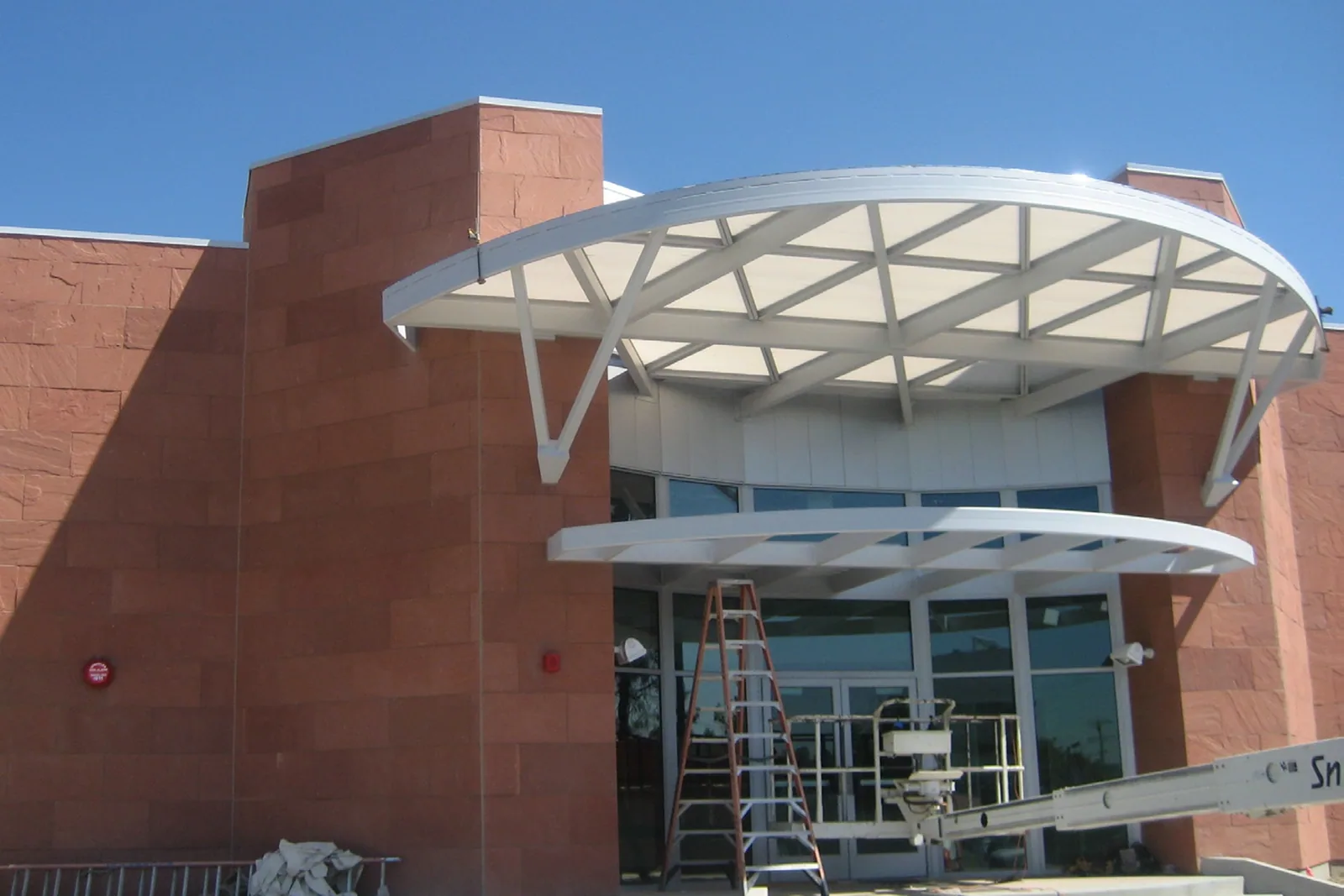
A public works director or county facilities manager in Yuma, AZ carries roofs on a capital improvement list that has to survive a budget hearing, and the entries that survive are the ones with a dated photograph, a condition grade and a priced action attached. Yuma County is one of the area's larger employers with about 1,437 people on its payroll, and every public building it keeps shares the same hot desert climate. Little rain reaches those roofs and the summers run long, so government roofs age from sun and thermal swing, and the evidence for replacement is measured condition, not a wet ceiling.
Roof leaking now? Call 555-555-5555 for a site visit and estimate.
What does a public roof file need to hold?
A public file serves several readers: the facilities staff who fix the roof, the finance office that funds it, an auditor who checks the spending, and sometimes a grant or bond reviewer. We assemble one binder per building with the dated photo set, a plan of defects, surface readings, the drain count, the warranty file and a priced line for each action. The documents are written so a bid package can be drawn from them directly, which means another qualified roofer can price the same scope. That transparency protects the owner in a public procurement, because the scope is clear and the evidence is on paper.
The binder also records the reasoning for each decision, with the date it was made and the person who made it, so a new facilities manager can see why a roof was restored in one year and replaced in another. Where a roof is shared between departments, the binder lists which budget carries which section, so a repair does not wait while two offices decide whose line it belongs to.
Related Roofing Work
Other pages that cover parts of the same roof question.
Occupied Building Reroofing
Army Installation Roofing
Downtown Yuma
TPO Roofing
Roof Coating Restoration
Roof Insurance Claim Assistance
How do public hours and security shape the work?
City halls, courthouses, motor vehicle offices and county service centers receive visitors during regular hours and often have security screening at the door. The plan covers access for crews and materials, an escort or badge where required, a staging area away from public entrances and a ladder or hoist route that does not cross a lobby. Loud work is held to early morning and after closing, and the roof is dried in section by section before the crew leaves. The method matches occupied building reroofing, with extra attention to chain of access and to records rooms, server closets and evidence storage that sit under the roof.
Which public buildings carry the heaviest roof risk?
Records storage, communications rooms, courtrooms and dispatch centers have the highest consequence of failure, because water in them stops a function. Maintenance yards and fleet garages have the lowest consequence per leak but the largest roof areas. The Arizona State Prison Complex in San Luis, about 12 miles south of downtown Yuma, has five housing units at several custody levels, and any secure facility brings access rules, tool control and escort requirements to roof work. We rank roofs by consequence and condition, not by age alone, so the capital list begins with the roofs where a leak would stop a service. Each entry on that list carries its own photograph and its own priced action, which lets a council or board member read one line and see both the problem and the cost.
Federal work follows different access rules again. San Luis I is the main border crossing and San Luis II handles trucks and commercial vehicles, and at Yuma International Airport the tenants include CBP Air and Marine Operations, so roof work at a federal site is planned around the owner's procedures. Work on a military installation adds escort and badge requirements, as it does at an Army installation such as Yuma Proving Ground.
Can older and historic public buildings be roofed in place?
Yuma Crossing National Historic Landmark District covers 149 acres of downtown Yuma, and Colorado River State Historic Park preserves five buildings from the 1864 Yuma Quartermaster Depot, so historic-building roof work involves older storehouse and quarters structures there. Public owners of buildings in or near a historic district need to know what approvals apply, and the scope should be written with those in mind. We survey first, record what the existing roof actually is, and then propose a repair or replacement that fits. A public building in downtown Yuma gets the same photographs and cost lines as any other, with added time for review.
What roof systems suit public buildings in this climate?
Public owners weigh service life and maintenance requirements against first cost. A white single-ply such as a TPO roof suits many flat roofs, modified bitumen is common where traffic is heavy, and metal fits buildings with a slope. A coating restoration can stretch the life of a roof and cut rooftop heat wherever the moisture survey clears the insulation. The product data, the installation details and the film thickness are all entered so that the next maintenance crew and the next procurement officer see the same facts. In a public building the choice is also a budget decision, and the file lays out each option with its cost and expected interval. Where a department has asked for a cool-roof standard, we take reflectance readings after installation and file them with the warranty, so the department can show that the stated requirement was met.
Procurement rules decide how the work is bought, and the roofing file feeds that process. The record includes: a measured condition, a stated scope, a priced list and a drawing set that any qualified bidder can read, with the dates on which the roof was last walked and the dates on which each defect was found. That is the document a purchasing officer needs to run a fair process and an auditor needs to check one afterward.
Questions About Government Building Roofing
Can you price from a public bid package?
Yes. Send the specification and the drawings, and we price the scope as written and flag any gap between the document and the roof.
How are access and badging handled?
The facility sets the rules, and we plan crew lists, escorts and material deliveries to fit them before work begins.
What if a roof leaks into a records room?
A crew answers at any hour, holidays included, and closes off the water. The damage is photographed, and the facility decides how to protect the records.
Can phased reroofing fit a fiscal-year budget?
Yes. Phases are ranked by consequence and condition, and each carries a cost line for the year it will be funded. The first phase goes to the roofs over critical functions, and the schedule shows the owner which roofs are being left for later and what each year of delay is expected to cost.
Does a coating count as a repair or a capital item?
That depends on the owner's accounting policy. We provide the scope, the cost and the expected interval so the finance office can classify it.
How should a public owner plan for monsoon storms?
Public buildings are expected to stay open when storms arrive, and August and September bring the heaviest weeks. Dust storms pack the drains before a short burst of rain, so the outlets are cleared and counted ahead of the season, the edge metal is secured, and the first storm brings a return walk compared against the earlier photo set. After a loss, the dated photographs support the insurance claim and the file shows what changed since the last inspection.
Send the building list and the fiscal year
Share the roof plans, the last inspection reports and the fiscal year of the funding line, and we will return a dated scope with a priced repair, restoration and replacement option. Call to book a walk before the heat season narrows the window.
Call 555-555-5555 or email [email protected].