Medical Office Roofing in Yuma, AZ
A clinic cannot close for a roof, so the cost of a medical office reroof in Yuma, AZ is mostly the cost of working around appointments, and the scope is written as a calendar before it is written as a material list. Waiting rooms, exam rooms, imaging suites and sterile storage sit under a low-slope roof that takes a long summer of triple-digit afternoons and a few monsoon storms that find every weak flashing. A leak over a treatment room closes the room, and a closed room is lost revenue that dwarfs the repair. We plan the roof so the repair cost, the schedule cost and the patient-facing risk are on one page that the practice manager and the owner can read together.
Roof leaking now? Call 555-555-5555 for a site visit and estimate.
How is roofing done beside patients?
The principal concerns are noise, odor and dust. Loud work such as tear-off and fastening can be scheduled for early hours or for days the practice is closed when the lease allows, and we keep the practice manager informed of the sequence. Odor from adhesives, hot asphalt and coatings can reach air intakes, so we use low-odor products where we can, protect or shut intakes with the building engineer and keep kettles and mixing stations away from fresh-air inlets. Hot-air welded single-ply systems create little smell, which is one reason they are common on clinics. Dust and debris are swept at each shift's end, and entrances are protected with barriers and a covered walkway.
Schedule discipline is part of patient safety. The crew leader meets the practice manager before each phase, confirms which doors are in use and which rooms sit below the work, and walks the staging area with the facility contact. If a procedure room is scheduled for a sensitive appointment, the work above it is moved, and the change is logged. Deliveries arrive outside peak patient traffic, and trucks stage away from ambulance and accessible parking. An occupied building reroof works only when these small agreements hold.

Related Roofing Work
Other pages that cover parts of the same roof question.
Occupied Building Reroofing
Infrared Roof Moisture Survey
Roof Insulation and Cover Board
Yuma Palms and the I-8 Retail Corridor
Fortuna Foothills
Hospital Roofing
What do imaging suites and exhaust add to the roof?
Imaging equipment, dedicated cooling and medical exhaust bring their own rooftop units and penetrations, often with tighter performance needs than a general office. The roof above those suites gets the most careful detail work: extra flashing checks at every curb, a documented drain path, and a moisture survey of the insulation before and after work. Vibration and noise from rooftop lifts must be planned, since sensitive equipment may sit directly below. We coordinate crane or lift dates with the practice and the equipment contractor, and we record the curb details, because a later unit replacement should not have to reopen the roof to learn what is there. Moisture above a sterile storage room is a particular worry, since mold growth in wet insulation can follow a slow leak, so we run an infrared moisture survey over those areas and repeat it after the work to show the roof is dry.
How does Yuma heat affect a clinic roof?
With only about 3.3 inches of rain a year, a medical office roof ages through sun and thermal swing rather than water. Seams open, flashings pull away from walls and sealants dry out, and the first sign may be a stain over a hallway. Cooling is a constant cost, so a reflective membrane or coating that lowers roof temperature has a practical value, and we measure surface temperature and reflectance before and after. More than any single record day, the long run of 100-degree afternoons is what ages the sheet. We photograph seams and details on a dated set and project remaining life, so the owner can set the replacement date in the reserve schedule.
Cost drivers are specific. A clinic roof tends to be small enough that mobilization, lifts and protection form a large share of the bid, so the price per square foot tends to run higher than on a warehouse, and the owner should compare options on the total over the hold period. Cover boards that protect the membrane from foot traffic, extra insulation to cut cooling load and tapered insulation to remove ponding each appear as their own lines. The cover board and insulation choices can be deferred or accelerated without disturbing the weather protection.
Where do Yuma clinics sit, and what changes?
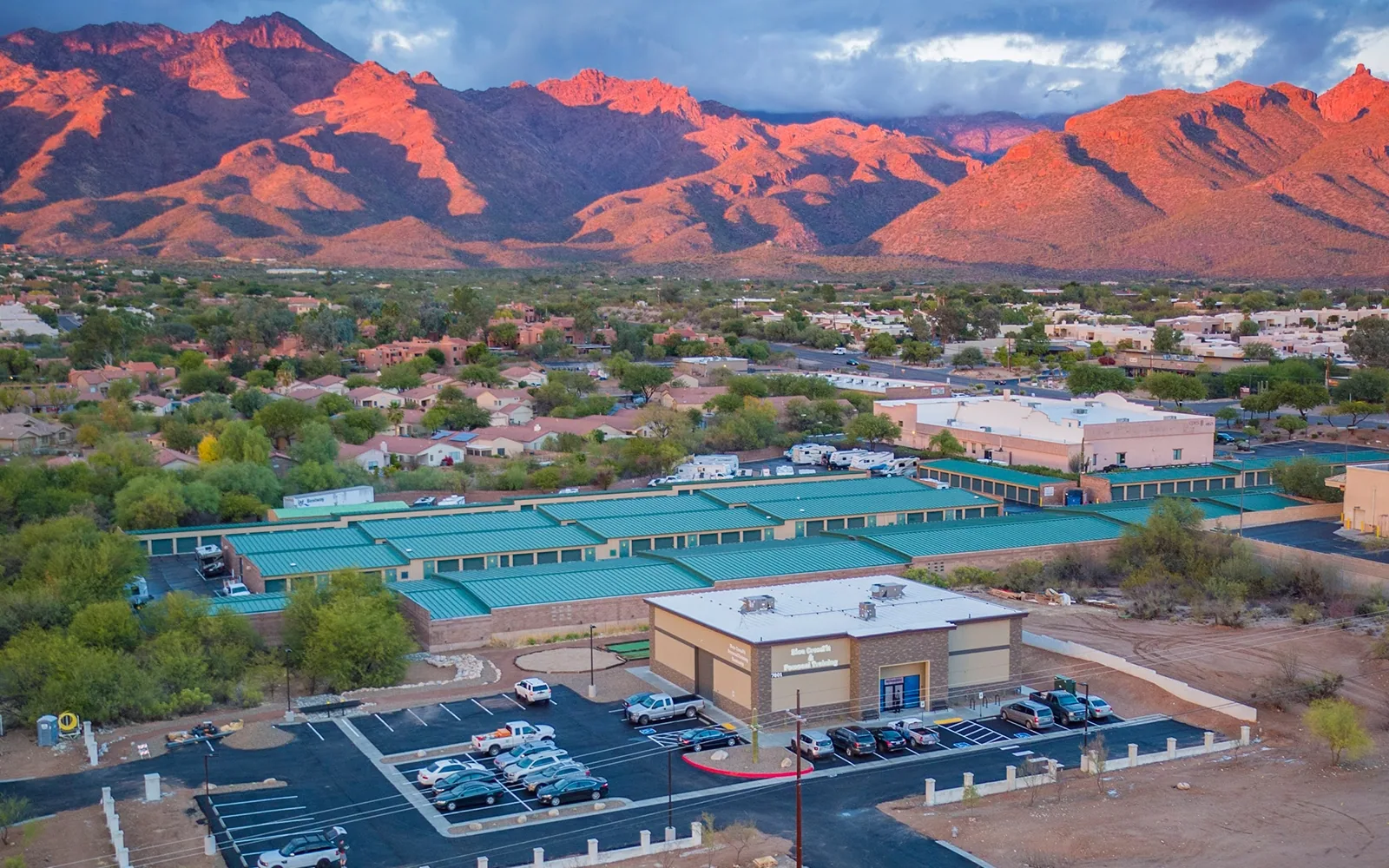
A clinic near the Onvida Health campus, a 406-bed teaching hospital, works under different access rules from a clinic in the Yuma Palms retail corridor around Yuma Palms Regional Center, where a medical tenant may sit beside shops and restaurants on a shared roof. A clinic in a multi-tenant building shares its roof with other occupants, so access and scheduling must be agreed with the landlord. A freestanding clinic controls its own roof but also its own budget. In Fortuna Foothills, where more than two in five residents are 65 or older, medical and retirement-living properties are part of the commercial mix, and a clinic there is surveyed on the same dated photo set as one in town. Monsoon outflow tests parapets and rooftop equipment, and we inspect after major storms. Dust from haboobs enters air intakes and clogs scuppers, so the first step after a dust event is to clear both and note the date. A hospital roof on the same campus follows stricter rules still.
What does the practice owner keep?
The file carries survey photographs, moisture findings, curb and flashing details, a drain count, the warranty file and the reserve schedule. A lender or buyer of a medical office building looks for the same items as one reviewing an ordinary office roof, plus the extra proof that rooms below the roof stayed dry, and a landlord who can hand over the file shortens the review. Tenants who pay a share of roof costs under their lease also read it, and the dated photographs let them see what their share bought. Walks follow the calendar of the weather: after the first monsoon rain, before the hottest weeks, and once a year with a full photographic set. Our preventive roof maintenance includes clearing drains and checking sealant at penetrations, which are small tasks that prevent the largest interruptions.
Questions About Medical Office Roofing
Can the roof be replaced without closing the practice?
Usually yes. The work is on the exterior, and we phase it by zone, protect intakes and schedule the loudest tasks around the appointment calendar. A short closure for a critical lift may be needed, and we say so early, with the date and the hours in the schedule so the practice can move appointments in advance and tell patients where to park that day.
Which membrane is best for a clinic?
Welded single-ply sheets such as TPO and PVC give low odor and reliable seams, and a coating can restore a sound roof. We compare the options on cost per year held and on the odor and noise each creates.
What if a leak appears over an exam room?
We tarp or patch the entry point at once, document the cause and the damage, and make a permanent repair in a window that suits the practice. The photographs support an insurance claim.
How is roof access controlled for infection concerns?
Roof crews do not enter patient areas, and interior access for ceiling checks follows the practice's own rules. We coordinate with the manager and use a separate route where possible, and any interior visit for a ceiling check is limited to the corridor or room the practice names and logged with the time and the person who escorted the crew.
Does rooftop equipment need to come off during reroofing?
Some units lift for curb flashing, and others can be flashed in place. We choose based on the unit and the interior, and we plan the lift with the equipment contractor.
Send the appointment calendar and the equipment list
Share the roof plan, the locations of imaging and sterile rooms under the roof and the practice calendar, and we will return a dated scope that works around patients. Call to book a walk.
Call 555-555-5555 or email [email protected].