Self-Storage Roofing in Yuma, AZ
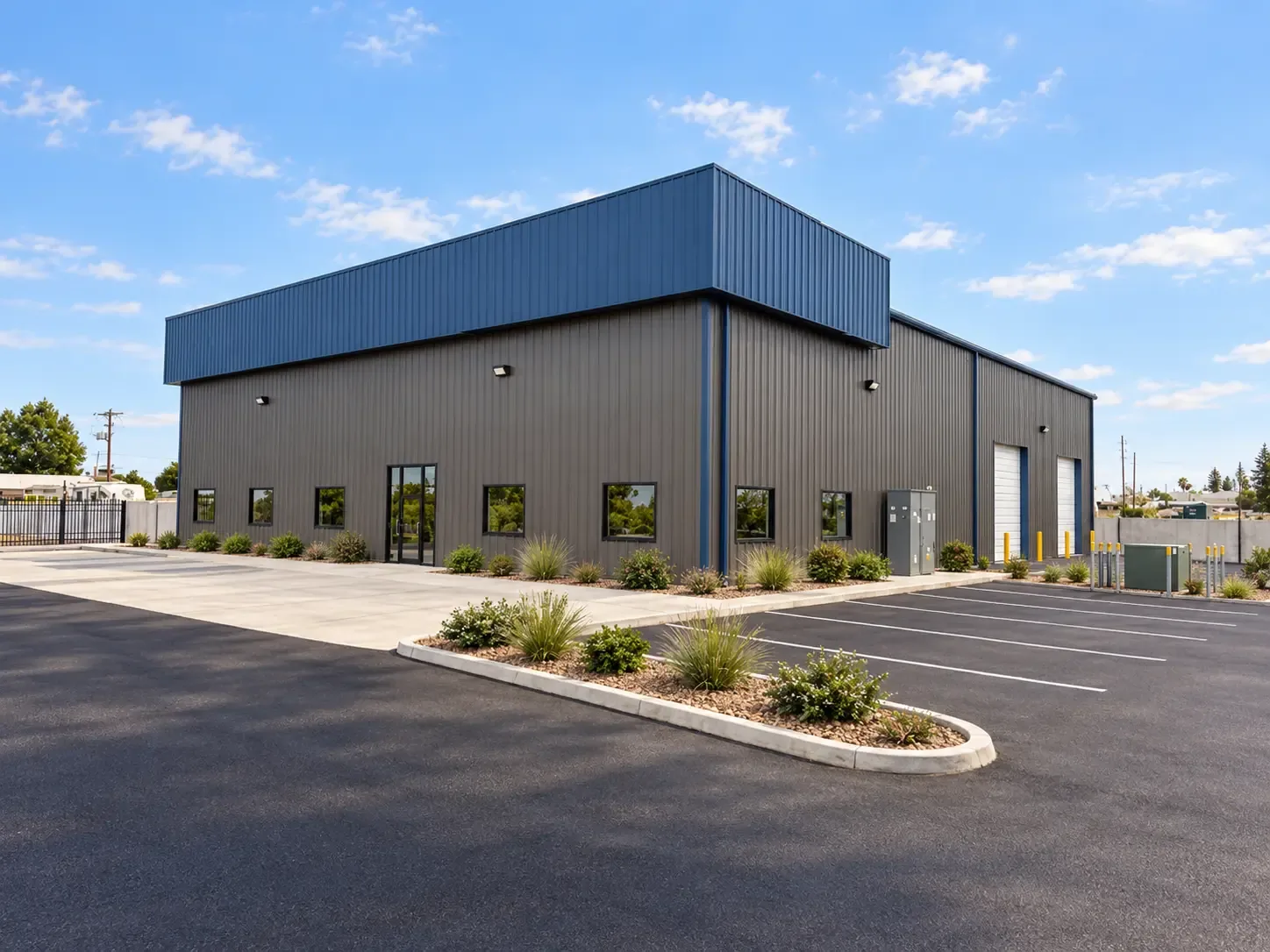
A self-storage owner in Yuma, AZ carries many small buildings instead of one large one, and the roof cost that matters is the one that ends in a tenant claim: a leak over a unit full of furniture, files or inventory produces a damage complaint that costs far more than the repair would have. The weather writes the schedule: heat and the daily swing to cooler nights age these roofs far more than water does, and the first signs are loosened fasteners, opened laps and dried sealant. Each building gets surface readings, a dated photo set and a price, so the owner can rank the whole facility by consequence and cost.
Roof leaking now? Call 555-555-5555 for a site visit and estimate.
Why do storage buildings fail at fasteners and laps?
Many storage buildings use long metal panels, and a metal panel moves with temperature along its whole length. A surface that swings between a hot afternoon and a cooler night works the fasteners loose over time, the rubber washers dry out under ultraviolet light, and the sealant at the laps and ridge shrinks and cracks. The leak that results is usually small and slow, and it lands on whatever is stored below. We walk each roof with a fastener count, tighten or replace the failed ones, reseal laps and flashings, and record the work building by building. A routine of that kind costs little beside a tenant claim and keeps the warranty file current.
Gutters and downspouts at the eaves get the same attention, because runoff that reaches the base of a unit door ends up inside the unit. Dust and wind-blown debris fill them between storms, a clogged gutter overflows behind the wall instead of away from it, and the water ends up at the base of a unit door. The tally of gutters, downspouts and outlets by building tells a manager where to send the maintenance crew before the monsoon, and it gives the next contractor a starting point.
Related Roofing Work
Other pages that cover parts of the same roof question.
Metal Roof Retrofit and Restoration
Standing Seam Metal Roofing
Multi-Site Roof Programs
Wind Damage Roof Repair
Occupied Building Reroofing
Warehouse Roofing
When does a metal retrofit make more sense than a repair?
A roof with widespread fastener failure, rusted panels or repeated leaks across many buildings may be a candidate for a metal roof retrofit, in which new framing or a new panel system is installed over the existing roof without a full tear-off. The advantage for a storage owner is that units stay in use, since there is no exposed deck, and the facility avoids moving tenants out. A standing seam metal roof hides its fasteners and handles thermal movement through its seam design, so it reduces the failure that exposed-fastener panels are known for. The retrofit costs more up front, and the ledger compares it with years of patching, tenant claims and the labor of repeated visits. Where the existing panels are sound and only the fasteners and sealants have failed, a repair and recoat is the better dollar, and the survey says which case applies building by building. Mixed approaches are common: a retrofit on the buildings with the worst deterioration and a maintenance program on the rest.
Insulation and condensation matter on climate-controlled buildings. A metal roof over interior units can sweat on cool nights when warm, humid air meets cold metal, and that condensation is easily mistaken for a leak. We check for it before pricing a repair so the owner does not pay for sealing that will not stop the drip.
How is a facility ranked when there are many buildings?
We assign every building a grade from the photo set and the fastener count, then rank the buildings by what is stored below and how often the roof has leaked before. A climate-controlled building with interior units goes ahead of an open drive-up row, because the contents are more valuable and the loss is larger. Buildings that store vehicles, boats or equipment sit lower on the list for the same reason in reverse, though a leak over a stored vehicle still costs the owner a claim. The ranking becomes the reserve schedule, with the worst buildings in the first year and the rest on maintenance. An owner with a lender or an insurer can show the schedule and the dated photographs, and a manager can tell a tenant which building is next in line and when, and an operator who buys another facility can use the same format to price the due diligence. An owner of several facilities can carry the same grading into a multi-site roof program.
What happens during the monsoon and a dust storm?
The first storm of the season, usually in August, September or December, tests every lap, ridge and gutter on a roof that has been dry for months, and monsoon outflow can lift a loose panel edge. Dust packs gutters and low points, and ponded dust holds moisture against the metal. Gutters and downspouts are cleared before the season, ridge caps and edge trim are checked, and the roofs get a second walk after the first major storm. If water damage reaches tenant property, the dated photographs are the owner's best evidence, and a wind damage repair scope can start the same day.
Can roof work happen with tenants coming and going?
Yes, because most work is on top of the buildings and not inside the units. Crews start early for heat reasons, ladders and lifts are placed away from access gates and aisles, and the drive lanes under each work zone are coned off for the day. Tenants see a notice at the office window and on the gate, and the manager gets a daily outline. Gate access is arranged so tenants can still reach their units, and the crew leaves each drive lane clear at the end of the shift. Where a building has interior units near the work, the crew covers loading doors and checks that no water or debris can enter a unit. The method matches occupied building reroofing, tailored to a facility where customers arrive at all hours.
Questions About Self-Storage Roofing
Can one building be reroofed at a time?
Yes. Buildings are done in the order of the ranking, and each is dried in the same day it is opened.
Will a coating work on a metal storage roof?
If the panels are sound and the fasteners are replaced, a coating can seal laps and reflect heat. We check the metal condition first.
How are tenant claims documented?
The dated photo set shows the roof before and after a loss. We also record the point of entry and the repair for the owner's file.
What if a unit is already wet?
Phone at any hour. A crew closes the entry point and photographs the damage, so the manager can contact the tenant and the insurer with the same set.
Does a retrofit change drainage?
It can. We check slope and gutter size in the design, and the drain tally is updated in the building file. A new panel system that sheds water faster can overload an undersized gutter, so the design checks that the downspouts can carry the flow from a short, heavy monsoon burst.
Where does storage fit in Yuma's economy?
Freight moving between California, Arizona and Mexico keeps produce packing, cold storage and distribution buildings in business around Yuma, and a storage facility near the Interstate 8 or Highway 195 corridors can sit close to warehouse and flex industrial buildings. The roof file for a storage facility follows the same logic as a business park, with buildings ranked and priced. In Fortuna Foothills, where many residents are seasonal, an owner can time roof work to the quieter weeks that its own rental calendar shows.
Send the site plan and the building count
Share the site plan, the number of buildings by type and the history of tenant claims, and we will return a ranked scope with a capital line. Call to book a walk before the heat season narrows the window.
Call 555-555-5555 or email [email protected].