
Versico Roofing Systems in Yuma, AZ
A retail landlord in Yuma who asks what a Versico roof will cost over a lease cycle gets an answer that starts with tenant turnover, because each new tenant brings new rooftop equipment, new penetrations and new questions about who pays for the flashing. Versico makes single-ply roofing, including membranes and the accessories that finish them, and systems of this type appear on the low-slope commercial buildings that fill a retail corridor or an office park. In Yuma, AZ, the membrane ages by sun and daily thermal swing more than by water, so the roof file should track surface condition more than leaks.
We install, repair and maintain single-ply systems and keep the record that lets a landlord, lender or board follow the cost.
Roof leaking now? Call 555-555-5555 for a site visit and estimate.
What does retail turnover do to a single-ply roof?
Yuma Palms Regional Center holds 49 tenants in its sold portion alone, and a center with that many leases sees constant change: a tenant leaves, a new one moves in, and a rooftop unit is added, moved or replaced. Every change is a chance for a penetration to be cut badly, a curb to be set without proper flashing or a service crew to walk through a seam.
On a roof like that, we recommend a rooftop work log. Anyone who goes up signs in, notes what was done and gets a walk-pad route that protects the membrane. The log stays with the roof file, not with any one property manager, so it survives a change of management company or a sale. When a leak appears, the log narrows the search, and when a tenant disputes who caused damage, the dated photo set settles it. A shopping center roof that carries this record is easier to defend to a lender and easier to price at sale, because the buyer's surveyor finds the answers already written down. It also gives the landlord a basis for lease language. If a tenant is responsible for damage from its own equipment, the log and the photo set show the condition before the work, and the cost of the repair can be assigned with evidence.
Related Roofing Work
Other pages that cover parts of the same roof question.
Shopping Center Roofing
TPO Roofing
EPDM Roofing
Roof Drains, Scuppers and Ponding Correction
South Yuma Airport and Industrial Area
Roof Condition Reports
Which single-ply options sit within the range?
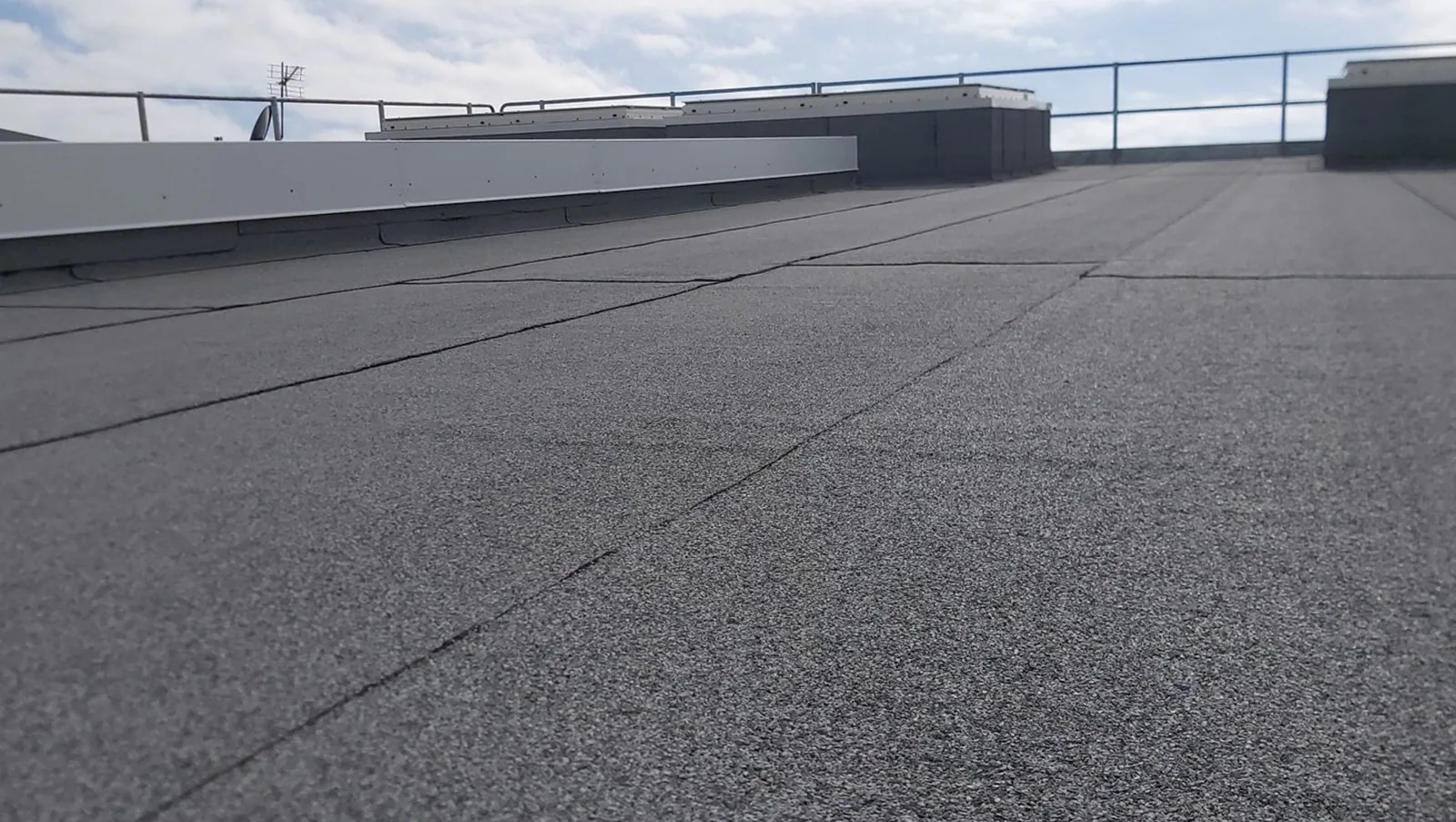
Single-ply options include TPO, which welds at the seams and reflects sunlight when white, EPDM, which is cured rubber with taped or adhered seams, and PVC for buildings with grease or chemicals. Each can be fully adhered, mechanically attached or ballasted. The attachment decides how the roof behaves in a monsoon gust, and the sheet type decides how seams age.
Our first walk names the sheet and the attachment before any repair is priced. A sheet that has chalked but is sound can often be cleaned and kept, which defers a replacement line into a later budget year. A sheet with open seams at several curbs may need a detail retrofit. A sheet with blisters or soft spots may be sitting over wet insulation, and a moisture survey is the next step. The scope lists each item, its location and its cost, and the landlord receives it as a table that can be forwarded to an owner or a lender without edits. Costs follow the same drivers across the portfolio: roof area, number of penetrations, linear feet of seam, condition of the insulation and the access available for lifts and trucks. We write each driver into the scope, so a landlord comparing two buildings can see why one costs more than the other, line by line, before choosing which to fund first.
What do heat and monsoon wind ask of the details?
The details are the first thing to move. Walls, curbs and penetrations hold flashing that expands and contracts with the daily cycle, and the swing here runs between hot days and cool nights rather than through freezing. Monsoon thunderstorms in the area bring strong winds and haboob dust, which test every edge and lap.
Before the monsoon we check perimeter attachment, edge metal and flashing laps before the monsoon, and we clear drains and scuppers of the dust that collects between storms. A scupper tally before August is among the cheapest line items on the schedule. Dust is the quiet problem in Yuma, and a film of it on the membrane also hides early surface wear from a casual walk-through. It collects in low spots and at scuppers, and the first storm after a dry spell washes it into the drains as mud. A clogged scupper turns a rare rain into standing water on a roof that was not designed to hold it, and the record of when each drain was last cleared tells the owner who is responsible.
How does an industrial or office roof differ in scope?
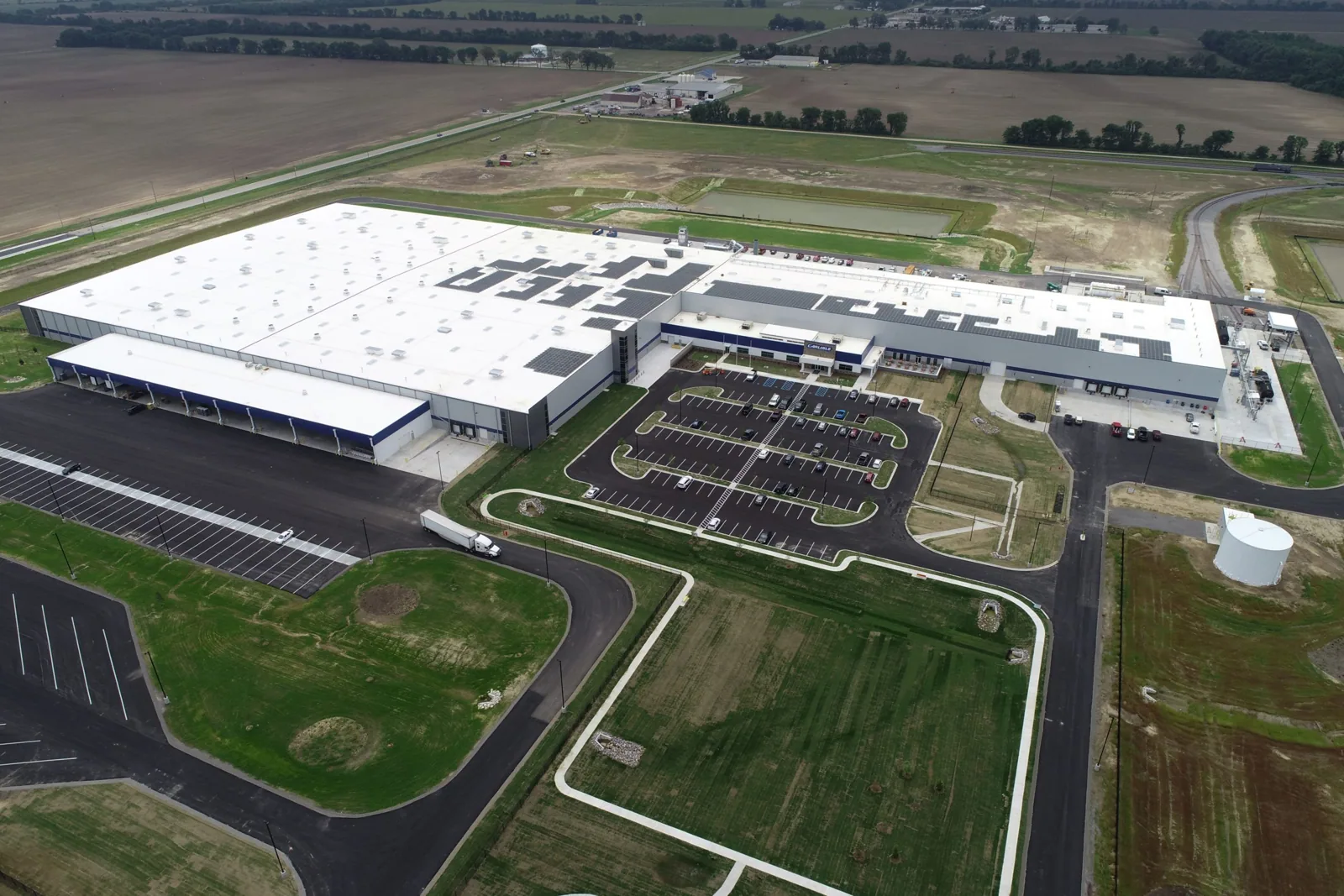
In the airport and Highway 195 industrial area, as on any industrial roof, seams run long and fewer penetrations per square foot than retail. Cost drivers there are seam length, drain count and access for equipment. Offices tend toward more equipment per square foot of roof, so flashing count and curb condition drive the number.
We write the scope with those drivers named. A roof near the airport and industrial area gets a seam-by-seam inspection plan and a core schedule. An office roof gets a curb-by-curb inspection and a flashing plan. Either way, the owner sees dated costs, a work window and the evidence for each line. For both building types, the monsoon-week hold appears in the bid as an allowance and the heat-season window as a date range, which lets a manager choose between a faster start at higher heat risk and a later start with more predictable conditions. A landlord who sees both options priced can pick the one that fits a lease renewal or a tenant move-in date.
What stays in the inspection binder?
The binder holds the sheet type, attachment, repair history, rooftop work log, surface temperature log and dated photo sets. It also holds the warranty paperwork when the owner has it, and notes which repairs were made with which materials. When several buildings are in the portfolio, the binders roll up into a roof condition report that ranks roofs by remaining service and cost. A Carlisle SynTec roof beside a Johns Manville or Versico roof reads on the same scale, which helps a landlord with mixed buildings plan reserves. Along Interstate 8 and Highway 195 alike, the binder also notes the next review date, the repair items still open and the budget year in which the next major line falls due, so a board can read the first page and know what is coming and when.
Questions About Versico Roofing Systems
Who should be allowed on a retail roof?
Only people with a reason and a sign-in. A walk-pad route protects the membrane, and the log shows who did what and when.
Does a new rooftop unit require a roof inspection?
Yes, before and after. We photograph the curb, the flashing and the membrane around it, so any later leak can be traced to a dated condition.
How do I know a sheet is sound enough to clean and keep?
We check seams, flashings, blisters and ponding, and take moisture readings. A sound sheet over dry insulation can often be cleaned, repaired and kept in service.
What does a reflectance reading cost to take?
It is a short item on a walk, taken with a handheld meter at several points. The readings go in the binder for comparison from year to year.
What should a landlord send to start?
Send the roof plan, the tenant list with rooftop equipment, the last inspection record and the budget year.
Send the tenant list and the roof plan
Send the roof plan, the rooftop equipment list and the budget year, and we will return a dated scope with a capital line before the heat season closes the work window.
Call 555-555-5555 or email [email protected].