Shopping Center Roofing in Yuma, AZ
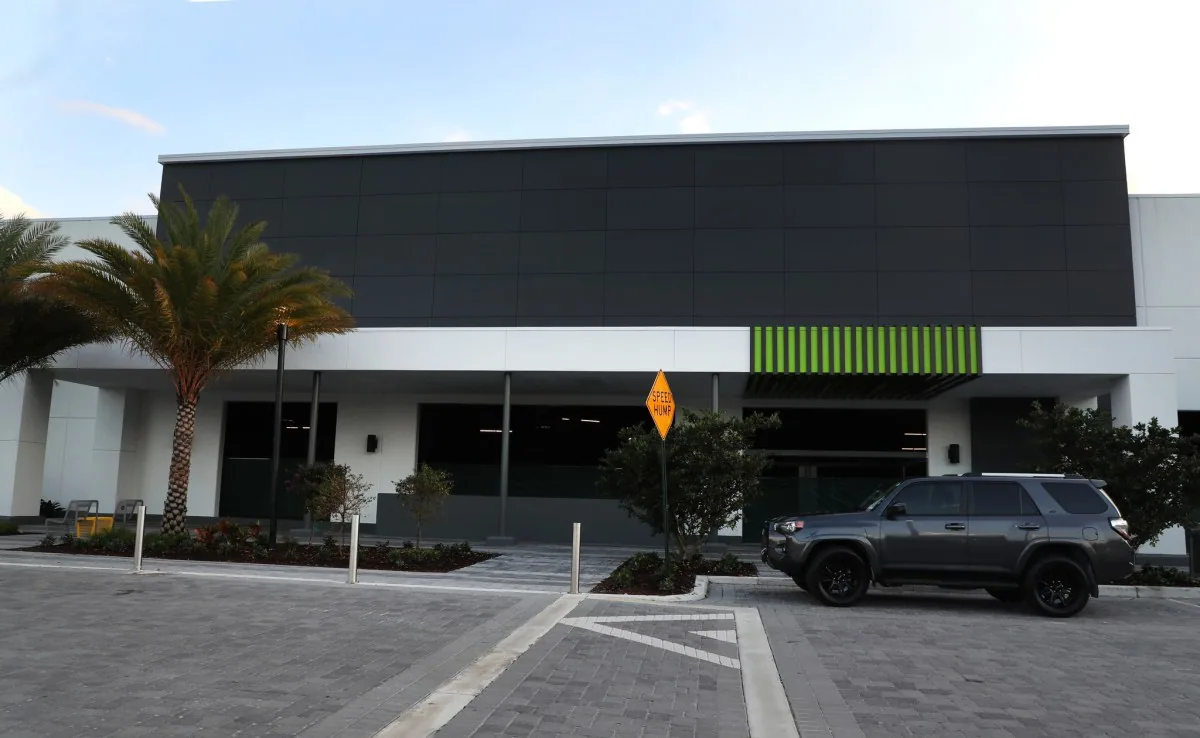
The roof on a multi-tenant retail center is one asset with many tenants, and the line item an asset manager carries for it has to be split in a way that holds up in a common-area reconciliation. Yuma, AZ shows what that means in practice: the Yuma Palms Regional Center sits at the northeast corner of 16th Street and Interstate 8 and is a power and lifestyle development of more than 1 million square feet, with a sold portion of 398,602 square feet and 49 tenants. A center like that has a roof file that runs bay by bay, and the file needs to say which defects belong to the landlord, which belong to a tenant's rooftop unit, and what each repair cost.
Roof leaking now? Call 555-555-5555 for a site visit and estimate.
How should a landlord split a retail roof between tenants?
We map the roof in zones that follow the demising walls below, so a leak at a particular storefront can be traced to the zone above it and to the rooftop equipment sitting in that zone. Each zone gets a photo set, a condition note and a priced action, and the totals roll into a landlord line and a tenant-caused line. The second line matters because HVAC replacements, new exhaust fans and satellite or signage mounts are the most common sources of penetrations, and the flashing around them is usually where the first leak opens. A landlord with a zone map can show a tenant dated photographs of the curb before and after a unit swap, and that record ends most disputes before they begin. Anything that cannot be traced to a tenant, such as aged sealant or a failed lap on the main field, goes on the landlord line with a date and a cost, which is the number the owner needs for the annual budget and the one a lender will test against the reserve.
The same map supports lease renewal and sale. A buyer's lender will ask for the roof file, and a zone-by-zone binder answers in an afternoon what would otherwise take weeks of site visits.
Related Roofing Work
Other pages that cover parts of the same roof question.
Rooftop Equipment Curbs and Supports
Edge Metal, Coping and Gutters
Occupied Building Reroofing
Ponding Water Roof Repair
Roof Capital Planning
Big-Box Retail Roofing
What does a rooftop unit swap do to the membrane?
Every unit change is a small construction event on a membrane that was not designed for it. Crane picks drop weight on seams, old curbs are cut out and new curbs are flashed, and the mechanical contractor's crew walks routes across the field that were never protected. We ask for a walkway pad route, a flashing detail for each new curb and a post-work photo set, and we put each of them on the tenant's work scope so the cost follows the change. Where a center has dozens of units, a curb and support program keeps the details uniform, which means the next repair crew finds the same flashing at every curb instead of a different improvisation at each one.
Why do parapet and storefront-edge details fail first?
Long, low retail buildings carry a lot of linear edge, and edge metal, coping and parapet flashing take the thermal swing hardest in a desert market. With long triple-digit afternoons followed by cooler nights, sealant dries, laps open and fasteners back out over a few seasons, and the first sign may be water behind a storefront sign long before a ceiling shows a stain. A record of edge-metal condition at every fascia, run by run, lets a manager group repairs into one mobilization rather than paying for a crew to come back each time a tenant calls. Our edge metal and coping work is documented with a dated photograph of each run.
When can reroofing happen without hurting sales?
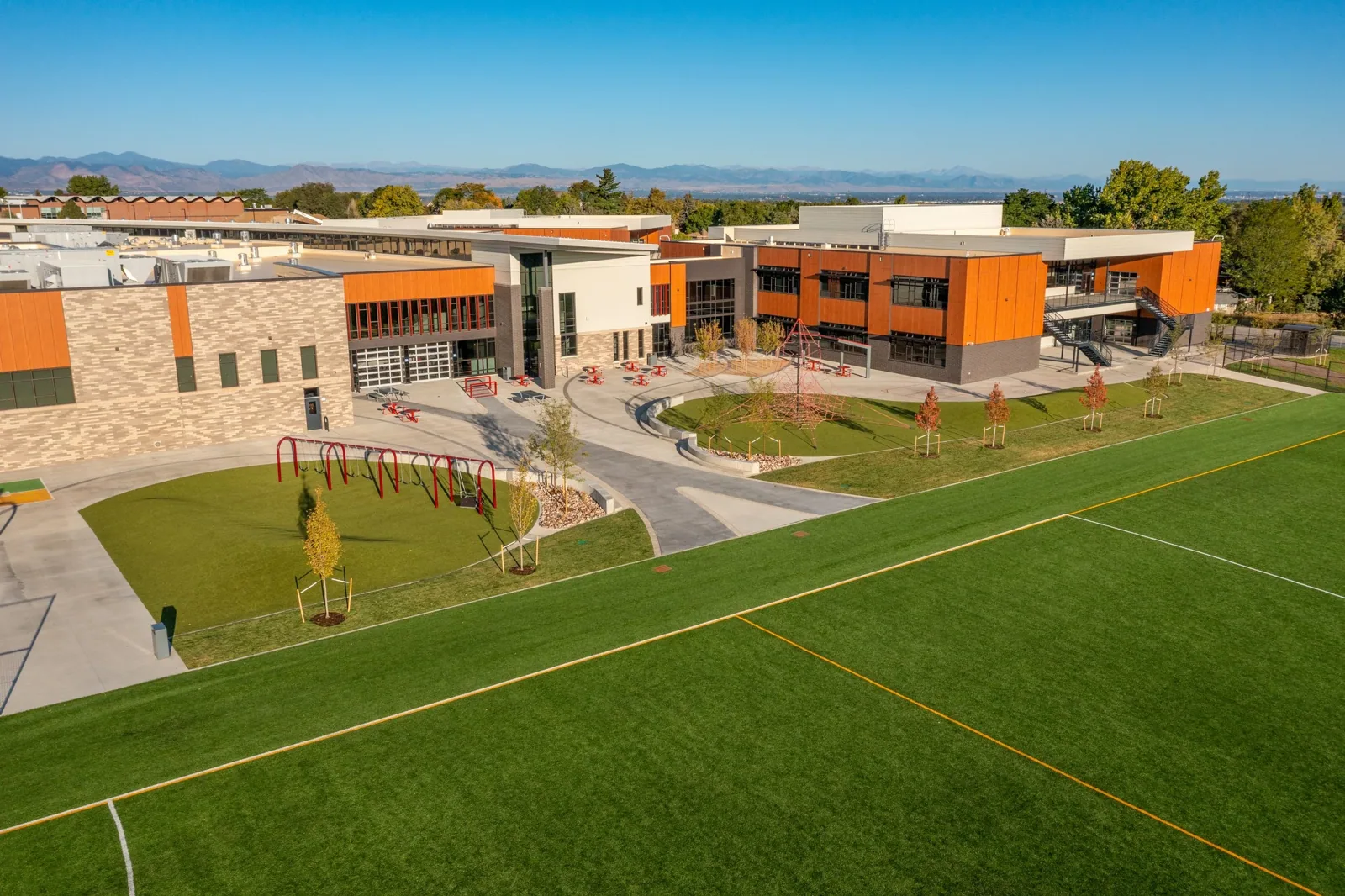
Retail has the opposite calendar to schools: the busy weeks are the weeks owners most want the roof left alone, and a center cannot close for a summer. Work near customer entrances is scheduled for before opening hours, loading zones are protected with canopies and barricades, and debris leaves the roof by chute or hoist away from the public path. Hot-weather surface limits mean an early start in any case, so the schedule often suits retail naturally, with the noisiest tear-off finished before the first shoppers arrive and the afternoon left for quieter flashing and sealing work. Tenants such as restaurants or movie theaters have noise and odor sensitivities, and we write those into the plan before the first shift, because occupied building reroofing works best when each tenant knows the day and the hour. Parking lanes under the work zone are coned off in sections that move with the crew, with the stall count lost on any day written into the tenant notice, so customers lose a few stalls for a day and not an entire row for a month, and delivery doors stay open to trucks outside the hours the crane is working.
How do monsoon winds and dust test a retail roof?
A strip center with long open parapets catches monsoon outflow and haboob dust. Dust packs drains and scuppers between storms, and then a downpour lands on a roof that has not seen rain for months. We clear and log every drain before monsoon season and walk after the first storm, comparing the results to the earlier photo set. That is how a manager learns whether water standing near a ponding area is a recurring slope problem or a single clogged outlet.
Questions About Shopping Center Roofing
Who pays for a leak caused by a tenant unit?
The lease decides that, and the dated photo set decides what happened. We document the curb, the flashing and the damage so the landlord can bill the right party.
Can a center be restored in phases?
Yes. Phases follow the zone map, with the worst-performing bays first and the rest on a maintenance line until their year comes up.
What is the quickest way to stop a storefront leak?
Phone any hour of the day. A crew traces the entry point, seals or tarps it, and photographs the repair for the building file.
Does a white coating help a retail roof?
It lowers surface temperature and gives the center a measured reflectance reading. The membrane beneath has to be sound and dry before any coating is applied.
How do restaurants in a center affect the roof?
Kitchen exhaust leaves grease on the membrane near fans, and grease attacks some membrane types. We check the area around each vent and recommend a PVC detail where grease is a problem, and the restaurant roof file records where it was used.
What does the reserve schedule look like for a center?
A retail owner usually carries roofs in phases, with the oldest or worst buildings in the first year and a recurring maintenance line for the rest. A capital plan for the roof shows each building with a replacement year, a restoration option and a deferred cost if the work slips. Restoration with a reflective coating often fits retail best, since it avoids a tear-off and keeps the tenants open. The larger stores around Yuma Palms include Target, Sam's Club, Dillard's and JCPenney, and the roof over a store like those may belong to its own owner and sit in its own roof program, so the file for a shopping center should say clearly which roof belongs to which party.
The retail corridor around Yuma Palms and the Interstate 8 frontage shows why: a single trade area holds inline shops, freestanding restaurants and large-format stores, and the roofs can differ in era, owner and specification. A manager who keeps each one on its own line, with its own photo set and its own warranty file, can answer a lender or a prospective buyer in one conversation instead of three.
Send the site plan and the tenant roster
Share the center plan, the tenant list with unit locations, the last roof invoices and the budget year, and we will return a zone-by-zone scope and a capital line. Call to set the first walk before the heat season narrows the window.
Call 555-555-5555 or email [email protected].