
College and University Roofing in Yuma, AZ
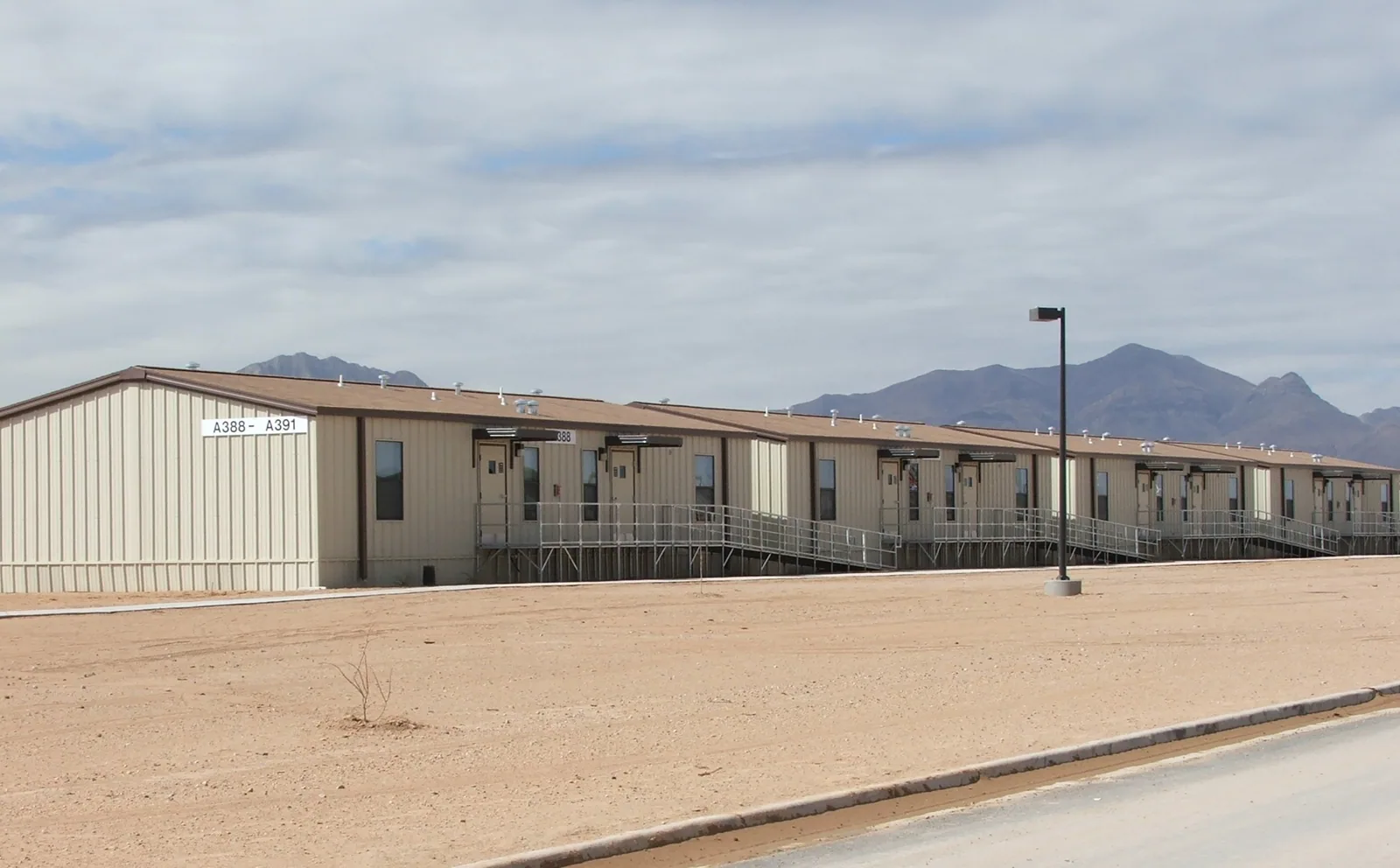
Arizona Western College in Yuma, AZ reported about 11,492 students in 2017-18 and runs three residence halls that house up to 348 of them, and a campus with that mix of classrooms, labs and housing has roofs that cannot all be closed at once. Each building has a different tolerance for noise, odor and downtime, so the roof plan starts with a map of which wings can lose a week in summer and which cannot lose a day. In a city that sees little rain and a long run of 100-degree days, the membranes age through surface heat and daily thermal swing, so a capital planner needs measured condition readings to rank them.
Roof leaking now? Call 555-555-5555 for a site visit and estimate.
Which campus roofs belong at the top of the capital line?
The order comes from three records: the surface temperature log, the drain and scupper tally, and the dated photo set of every seam and flashing. A lab wing with open seams over mechanical equipment outranks a storage building with the same defect, because the cost of a leak is set by what sits below the membrane, not by the membrane alone. We rank each roof by the consequence of failure and the cost of waiting a year, then show the facilities office what the deferred cost looks like if the work slips. That ranking is the document a vice president of finance will carry into a budget meeting, so it carries a number and a photograph for each building.
Housing and dining roofs usually rank high because a failure there displaces students rather than inconveniencing staff, and the displacement cost is real even though it sits on another budget line. Housing blocks on a campus follow the same ranking logic as apartment buildings, with the displacement cost carried as a line of its own.
Buildings that hold records, research equipment or performance spaces rank high for a different reason: the contents cannot be replaced from a supply catalog. For those roofs we add a line for protective measures during the work, such as temporary drainage and deck covers, so that the cost of protecting the contents sits in the bid and is not argued over after a storm. The ranking is revisited every year, because a roof that moved down the list can move back up after one hard monsoon week, and the file should show the move with a date and a photograph.
Related Roofing Work
Other pages that cover parts of the same roof question.
Apartment Roofing
Roof Coating Restoration
Infrared Roof Moisture Survey
Occupied Building Reroofing
School Roofing
Ponding Water Roof Repair
How does the academic calendar change the roof schedule?
Summer is the only long gap in occupancy, and it is also the stretch when Yuma roofs run hottest, so the working day for membrane crews starts at first light and ends before surface temperatures turn adhesives and hot-air welds unreliable. A residence hall roof is usually done in sections between the end of spring term and move-in, while lecture halls and labs can sometimes take a few weekend shifts during the year. The August and September monsoon can then hold an exposed deck for days, so a bid should list a monsoon-week hold as a schedule line that the college sees in advance. A late finish costs more than the few days of lost work, because every residence hall that is not ready on move-in day creates costs of its own.
What does a coating restoration save compared with a tear-off?
On a membrane that has stayed sound over dry insulation, a coating restoration lets a college spend a fraction of replacement cost and extend the roof by a planned interval. The test is moisture, which is why the first step is an infrared moisture survey run at dusk, when wet insulation holds heat longer than dry insulation. A roof that fails the survey cannot be coated over, and the college is better off knowing that in the spring than discovering it halfway through summer. Silicone suits ponding spots, while acrylic suits sloped metal or granulated surfaces, and film thickness is read at set points and entered in the warranty file.
Can classrooms and labs stay in use during roof work?
Most can, with sequencing. Tear-off noise travels through a deck into the rooms below, so we schedule loud work for early mornings and breaks, and we tell the department chair the dates in advance. Labs with fume hoods, sensitive instruments or cleanroom air get specific attention, since a rooftop exhaust must stay running while the membrane around it changes. Temporary protection over curbs and penetrations keeps dust out of intake louvers, and every day ends with tie-ins sealed so that an unexpected burst of monsoon outflow finds no open edge. Reroofing an occupied building is the normal method on a campus, not an exception.
What belongs in the campus roof file?
A college file should work for four readers at once: the facilities office, the finance office, the insurer and the next contractor, and each reader looks for different pages. The finance office wants the cost line and the reserve year, the insurer wants dated evidence of condition before any loss, and the next contractor wants the as-built detail drawings and penetration locations. We keep one binder per building with the dated photo set, the surface readings, the warranty file, the scope and cost line, and any approvals required for work near occupied space. When the college builds or buys additional buildings, those get added to the same format, so the reserve schedule covers the whole campus on one page. The format matches the one kept for district school roofs, and for state-funded work a reviewer sees consistent documentation across buildings.
Questions About College and University Roofing
Can a college phase a replacement across several summers?
Yes. The worst roofs go first, with later phases written into the reserve schedule so each year carries a known cost line.
Who is responsible for roof access at student housing?
The housing office sets the dates and the keys, and we plan crew routes so that no one passes through resident areas. Access is confirmed in writing before each phase begins.
Does a cool roof change cooling costs on campus?
A reflective surface lowers roof temperature, and we record reflectance readings so the college has a measured starting point. Actual savings depend on the insulation below and the equipment on the roof, so the college should treat the readings as the starting record and compare utility data across a full cooling season before booking any savings in the budget.
What does an emergency call to campus involve?
A crew answers at any hour, holidays included, and closes the point of entry first. A dated report on the temporary repair then goes into the building file.
Will a state-funded scope need extra documentation?
Plan on more submittals, photographs and written approvals. We assemble them in the building binder as the work proceeds, which keeps the final closeout short. Items that need a signature from a state or district reviewer are flagged on the schedule, so that approvals do not become the reason a summer window is missed.
How do monsoon and December rain test a campus roof?
Yuma's wettest months are August, September and December, and a campus can go months without rain before a short heavy burst tests every drain, scupper and flashing at once. The first storm of the season shows which drains are clogged with dust and leaves, which parapet flashings have opened, and where the low spots hold water. We walk the roofs after those storms, not only before them, and log what we see against the earlier photo set. That comparison tells the facilities office whether a defect is new or old, and it gives the ponding repair scope a fair basis. Commercial roofs in Fortuna Foothills, along Interstate 8 east of the city, face the same dry stretches and sudden bursts.
Send the building list and the term dates
Share the campus roof plan, the last inspection record and the dates the halls are empty, and we will return a dated scope that ranks every roof and sets a capital line before the heat season shuts the window. Call to schedule the first walk.
Call 555-555-5555 or email [email protected].