
Commercial Roofing in Wellton, AZ
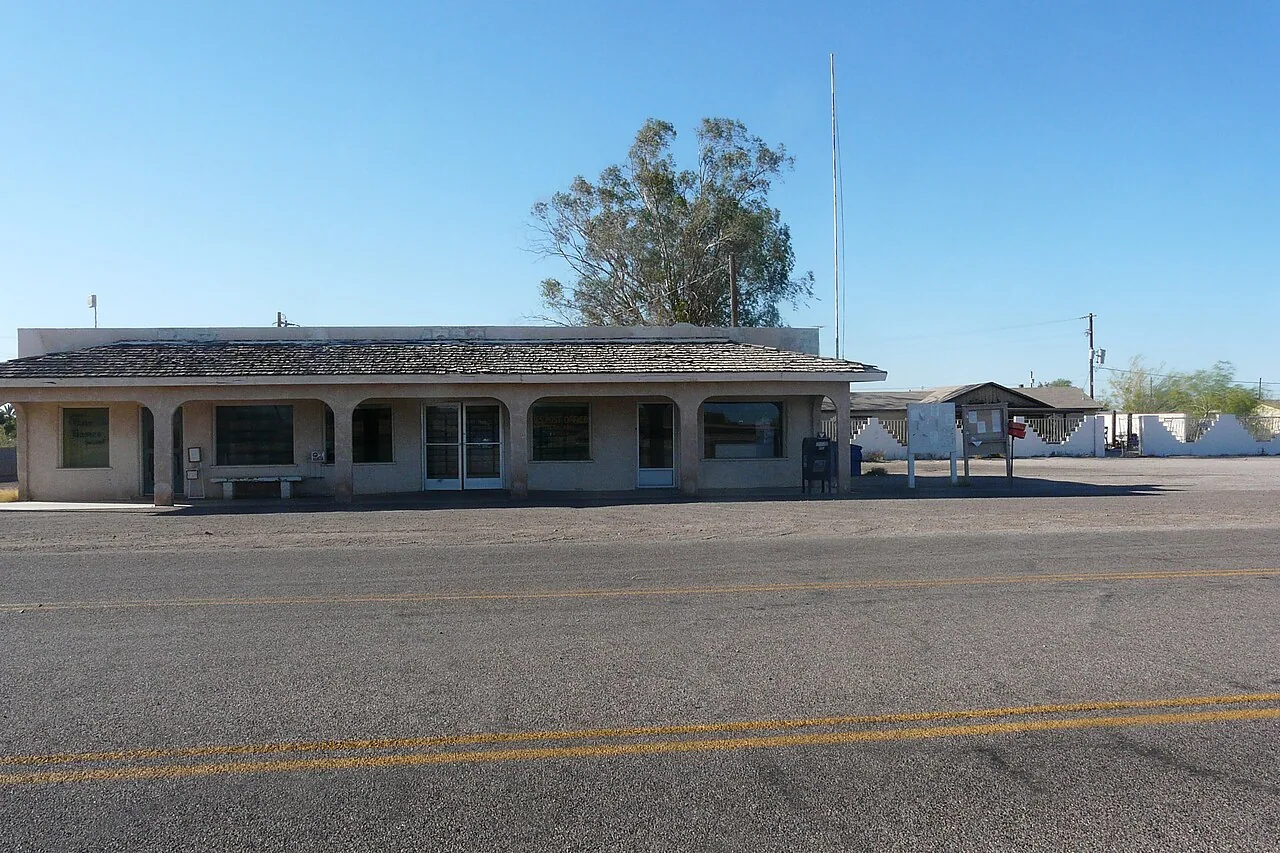
Winter is the revenue season in Wellton, AZ, so the roof date that matters most falls in early fall, before the first full week of visitors, and a repair priced for October costs a fraction of the same repair priced for January. Wellton is a town of 2,375 residents on Interstate 8 and the former U.S. Route 80, spread over 28.88 square miles, and its population roughly doubles in winter as seasonal visitors fill the RV parks. Commercial Roofing Yuma builds a Wellton roof schedule backward from that arrival date, with the heat-damage survey first, the repairs second and a dated photo set at the end for the owner's file.
Roof leaking now? Call 555-555-5555 for a site visit and estimate.
What has to be dry before the visitors arrive?
The buildings that serve an RV park, such as the office, laundry room, shower building, clubhouse and a small shop, are the ones a guest sees on the first day, and a stained ceiling in any of them gets noticed. The early-fall walk checks drains and scuppers, seams, flashings and penetrations, records surface condition on a dated photo set and makes the small repairs on the spot. Larger items are priced and ranked with a deferred cost, which lets the owner choose between fixing now and carrying the risk into the busiest weeks.
Rooftop equipment gets its own line. Coolers, vents and exhaust fans stand on curbs, and a failed curb over a space guests use is the leak a manager hears about first. We check every flashing, note those due for reseal and keep the list in the file beside the roof section it belongs to, together with the drain and scupper count for that building, so a gutter that fills with windblown dust shows up as a line item before the first rain.
Related Roofing Work
Other pages that cover parts of the same roof question.
Roof Drains, Scuppers and Ponding Correction
Heat and UV Roof Damage Repair
Metal Roof Retrofit and Restoration
Roof Coating Restoration
Wellton Hills
Tacna
What did the summer do while the park stood half empty?
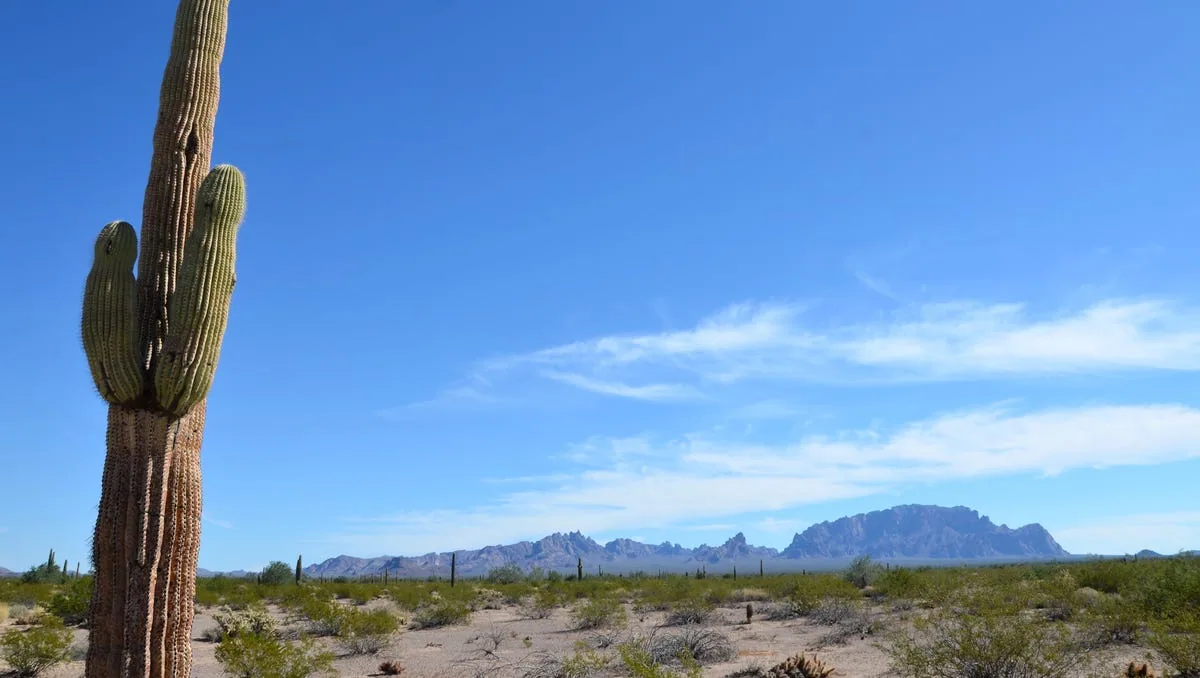
Yuma, the nearest large market, counts about 117 days a year at or above 100 degrees F, mostly between April and October, with only about 3.3 inches of rain, so the wear on a Wellton roof is mostly sun and temperature swing. Membranes harden and craze, sealant dries and splits, coatings thin and metal panels work their fasteners loose as they expand and contract. Freeze-thaw seldom enters the picture, since Yuma's coldest reading on record is only about 21 to 22 degrees F, which leaves the daily swing as the movement that counts.
On a first walk we look for seams pulled open, flashings drawn away from walls, fasteners backed out of panels and sealant failed at curbs and pipes. This is heat and UV damage building up season after season, and it is cheaper to read in October than to explain in January. Waiting has a clear price: a seam left open from September to the arrival of the winter crowd becomes a leak over an occupied space, repaired during the busiest weeks, while the same seam sealed in October is a minor line item dated in the file.
What do farm-service and feedlot-area roofs need?
Fertile soil and water support lettuce, onion and cotton farming around Wellton, and Five Rivers Cattle Feeding operates a feedlot outside town. Buildings that serve farm and feed work are often metal, and a metal roof wants specific attention: the fasteners, the sealant at laps and ridge, the panel finish and the gutters and downspouts. Dust and moisture from that kind of work can speed corrosion and clog drainage, so a roof that looked sound in spring may show rust staining and loose screws by fall.
We pull a sample of fasteners, replace those that spin, reseal laps with flexible sealant and clean the gutters. Where the finish has failed or panels have thinned over sound framing, a metal roof retrofit or a coating restoration may extend service. What the visit costs depends mostly on area, access and panel condition: sound panels with loose screws make a short stop, and rusted laps over damp insulation are a larger undertaking that the walk identifies before a price is set.
Which storm items go into a Wellton bid?
Yuma's wettest months are August and September, with December adding some heavy showers, and the strongest wind on record at Yuma Proving Ground, about 70 mph, arrived in August 1996. Those are Yuma-area records, and they frame the planning case for roofs that rarely see water and then see a lot of it at once. We clear drains and gutters in July, check edge metal and coping for lift and write a hold into any scope that crosses the two wet months, since a storm cell can stop a crew for days.
After a storm the same photo set shows what changed, which protects both the repair and any insurance claim.
What does an early-fall bid show that a January bid cannot?
A bid written in September can set the work in October, when surfaces take a proper bond and materials ordered in advance have arrived, and the price then reflects planned labor in ordinary hours. A bid written in January for a roof that is already leaking buys a temporary dry-in first, a second mobilization for the permanent repair and a schedule that competes with the visitors for the same buildings. The two bids describe the same defect, and the difference between them is a calendar cost that belongs on the capital line.
For a park or a farm-service owner with a thin off-season budget, we separate the report into items to close now, items to watch and items to defer, each with a date and a figure. The owner can then spread the spending across two budget years without losing sight of the open item, and the file shows when each decision was made.
Questions About Wellton
When should the buildings of an RV park be walked?
In early fall, ahead of the visitors, while surfaces still allow repairs and before the buildings fill.
What wears out a metal farm roof?
Fasteners back out as panels move, sealant dries at laps and ridge, and the finish fades or corrodes. A fastener sample and a lap check show how far the wear has gone.
Does summer heat make repairs harder?
It narrows them. Bonding and coatings are set for cooler hours and large scopes move to the cooler months, while an emergency leak gets a temporary dry-in at any hour.
How is a storm week priced?
As a hold in the schedule. We show the likely range for August and September in the bid so it is not added later.
Can several Wellton buildings be done in one trip?
Yes, when they share a route. Grouping holds travel cost down and keeps the records in one calendar.
How are Wellton visits grouped along the highway?
Wellton sits on Interstate 8 east of Yuma, and crews arrive along the highway and group nearby buildings into one trip. A U.S. Border Patrol station is nearby, and public buildings of that kind have their own access and approval steps, which we ask about on the first call. Wellton Hills and Tacna lie along the same corridor and can be scheduled in the same cycle. Owners with several buildings can put every roof on one calendar through a multi-site program, and a preventive maintenance visit before the season keeps the roofs in order. What stays with the owner is the photo set by date, the outlet count and a price on every open item. Emergency calls run around the clock, holidays included, and the first response to an active leak is a temporary dry-in once the roof is safe to walk.
Send the Roof Plan, Last Record and Budget Year
Send the roof plan, the last inspection record and the budget year, and we will set a dated scope and an early-fall walk before the heat season closes the work window.
Call 555-555-5555 or email [email protected].