GAF Commercial Roofing Systems in Yuma, AZ
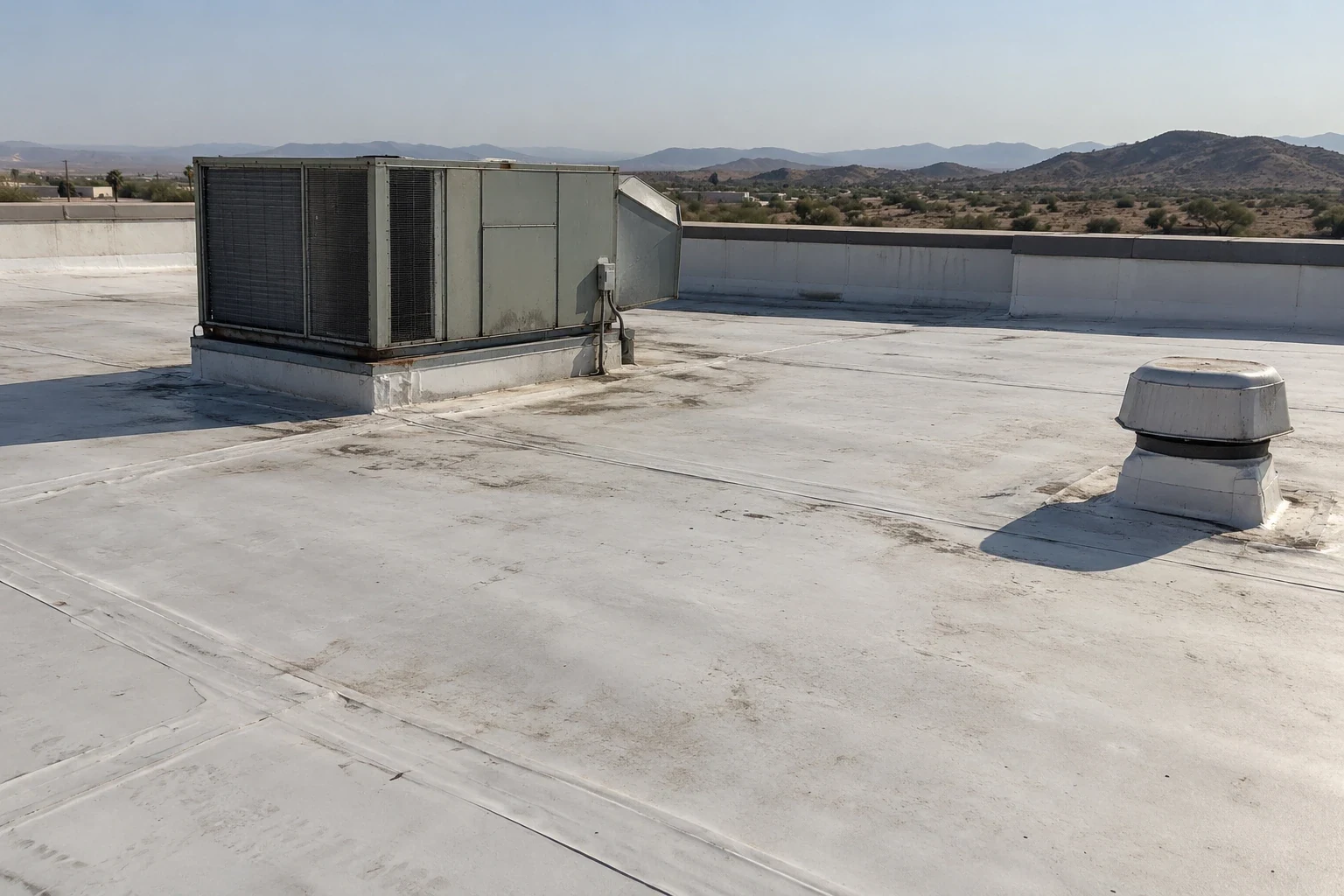
A GAF roof on a Yuma building is a line item that an asset manager will carry for the life of the membrane, and the cost of carrying it well depends on how the sheet is installed, how it is repaired when the sun and the monsoon find a weakness, and how the record is kept. GAF is a roofing manufacturer whose commercial offering covers low-slope assemblies, which in practice means single-ply membranes, asphalt-based multi-ply and modified bitumen roofs, and the insulation and accessories that go with them. In Yuma, AZ, where the sun does far more damage than the 3.3 inches of annual rain, those assemblies age through cumulative heat and daily expansion, so our work on a GAF system starts with the surface rather than the ceiling.
We install, repair and maintain these assemblies for owners, and the scope we write shows the capital line, the heat-season window and the documents that will be kept.
Roof leaking now? Call 555-555-5555 for a site visit and estimate.
Which kinds of GAF assemblies show up on Yuma roofs?
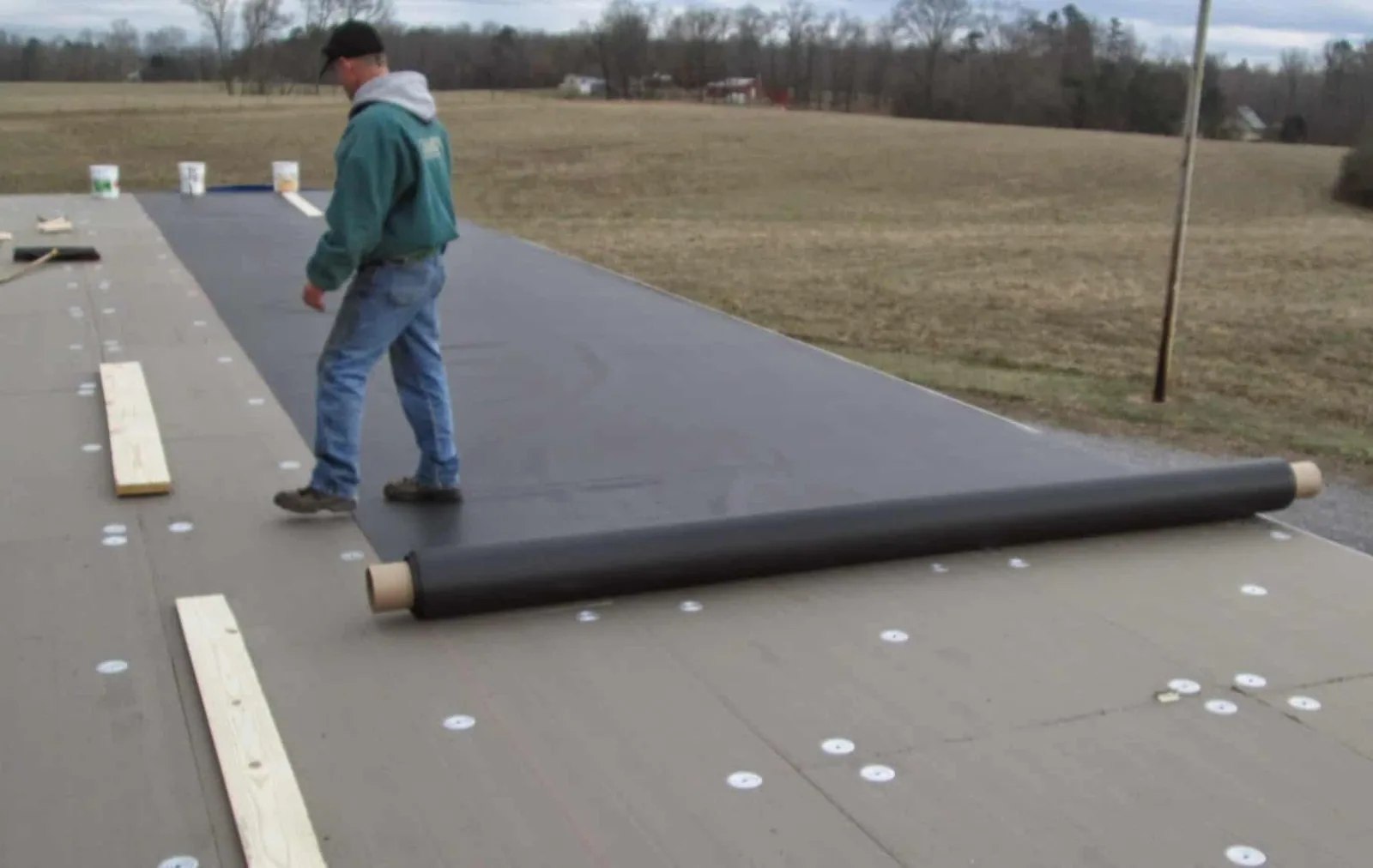
The manufacturer's low-slope range sits in two families. One family is the single-ply sheet, a membrane that is heat-welded or adhered over insulation and that reflects sunlight when it is white. The other family is the layered asphalt system, in which reinforced sheets are built up in plies or torched or adhered as modified bitumen with a granulated or coated cap. Either family can sit on a retail center near Yuma Palms and the I-8 corridor, on a packing house or on a warehouse near Highway 195, and the choice follows what the building does under the roof.
A single-ply sheet suits a large, clean field where reflectance matters for cooling cost. A layered system suits a roof that sees foot traffic from equipment service or that needs a thicker wearing surface. When we walk a GAF roof, we identify which family it belongs to before we touch it, because the repair method, the adhesive and the tools are different, and a mismatch invites an early failure.
Related Roofing Work
Other pages that cover parts of the same roof question.
Yuma Palms and the I-8 Retail Corridor
TPO Roofing
Roof Drains, Scuppers and Ponding Correction
Roof Warranty Management
Roof Capital Planning
Carlisle SynTec Roofing Systems
What does the heat season do to the installation schedule?
The first constraint on any roof project in Yuma is the calendar. The 100-degree season runs from April through October, about 117 days in all, and a membrane surface can run far above the air temperature. Adhesives flash off quickly, hot-air welds need careful speed control and crews lose productive hours to the heat, so the work window for a large TPO or layered replacement concentrates in late fall through spring and in the first hours of each working day.
A monsoon storm week in August or September can idle a crew, and the bid should show that exposure before the invoice does. We lay out the heat-season window, the monsoon-week hold and the date when the dry-in must be complete, and we state which of those dates the owner controls. A GAF replacement that starts in October with materials on site has fewer unknowns than one that starts in July with a hope for cloud cover. The earlier start also leaves the monsoon months for punch-list work and warranty paperwork instead of for open deck.
How do we repair a GAF roof that we did not install?
A roof put down by another installer starts with identification. We pull a sample or read the markings, name the membrane, and note the substrate, the insulation and the age. Then we test adhesion in a small area, since years of weathering can leave a surface that wants cleaning or a specific primer before a patch or a flashing will bond.
A repair is priced by the item and located on a roof plan. Each seam, each flashing and each patch gets a dated photograph, so the file shows what was found and what was done. If the system is close to the end of its service, we say so in the same document and show the owner how much a repair buys against a replacement queue position. Repairs that extend life by two or three heat seasons are worth making, and the report shows the cost per season so the comparison with replacement is arithmetic and not argument. Repairs that only delay a replacement cost more than they save, and the report separates the two.
What do monsoon winds ask of the edges and flashings?
Monsoon storms in the Yuma area can arrive with strong gusts, heavy rain and haboob dust, and a gust of about 70 mph in August 1996 at Yuma Proving Ground, north of the city, shows how hard an edge can be pulled.
Edges and flashings are where wind begins to pull a membrane loose, so we probe the perimeter termination bars, check the fastener spacing in metal edge and look at the laps at walls and curbs. Dust packs into drains and scuppers between storms, and a clogged scupper turns a rare rain into a pond. A drain and scupper tally before the monsoon is a short and cheap item that protects the larger line.
What belongs in the warranty file?
A manufacturer warranty is a contract with conditions, and the owner should hold the paperwork. We keep a file that records the membrane type, the date of installation if known, the repair history and every inspection with its dated photo set. When a repair is made, we note the material used and who made it, since some warranties limit who may work on the roof and with what.
That file is also the document a lender, a board or a buyer will read. A warranty management record with consistent entries answers their questions quickly, and it makes the reserve schedule easier to defend. The same discipline serves owners with several buildings, where the file becomes the roof inventory that the capital planning work depends on.
Questions About GAF Commercial Roofing Systems
Can you repair a GAF roof without voiding its warranty?
Often, but the terms decide it. Some warranties require approved materials or applicators. We read the paperwork first, match the repair to the terms and record every step in the warranty file.
How hot is too hot to install a membrane in Yuma?
Surface temperature, not air temperature, sets the limit. We log it through the day and shift sensitive steps, such as adhesive work and seam welding, to the hours when the sheet and the materials stay within their working range.
Does a white membrane lower cooling cost on a Yuma building?
A reflective surface lowers roof temperature and thermal stress on seams. Whether the power bill drops depends on the building, so we hand over reflectance readings and the owner compares them with utility records.
What if the original maker of the roof is unknown?
We identify it by sampling and by reading the layers in a core cut. Then we choose a compatible repair material and note the finding in the inspection binder.
What does an asset manager get at the end of a GAF repair?
A dated photo set of each repair, the material used, its location on the roof plan and the next review date, all filed against the warranty record.
When is a GAF system the right choice for the next roof?
The answer follows the building. A big-box store, a warehouse or a distribution building with a wide, clean field often does well under a reflective single-ply. A cold storage plant or a kitchen exhaust zone may need a membrane that tolerates oils and moisture. A roof with heavy equipment traffic may suit a layered system. We compare the options by installed cost, expected service, heat performance and repair path, and we show the numbers beside each other. The same comparison runs across makers, so a portfolio that holds a Carlisle SynTec roof beside a Sika Sarnafil roof reads on one scale.
Send the roof plan and the warranty paperwork
Share the roof plan, the last inspection record and the budget year, and we will return a dated scope with a capital line before the heat season closes the work window.
Call 555-555-5555 or email [email protected].