Auto Dealership Roofing in Yuma, AZ
A dealership principal in Yuma, AZ looks at the roof as a risk to inventory and to the showroom floor: water in a service bay stops billable hours, and water in a showroom lands on a floor model and a customer's first impression. Yuma's heat does the aging, so the evidence on a dealership roof is a seam that has opened or a coating that has thinned long before a ceiling stain appears. The survey ties a photograph, a surface reading and a price to each seam, drain and curb, which lets a controller carry the roof as a planned line next to the facility budget.
Roof leaking now? Call 555-555-5555 for a site visit and estimate.
Which parts of a dealership roof need separate treatment?
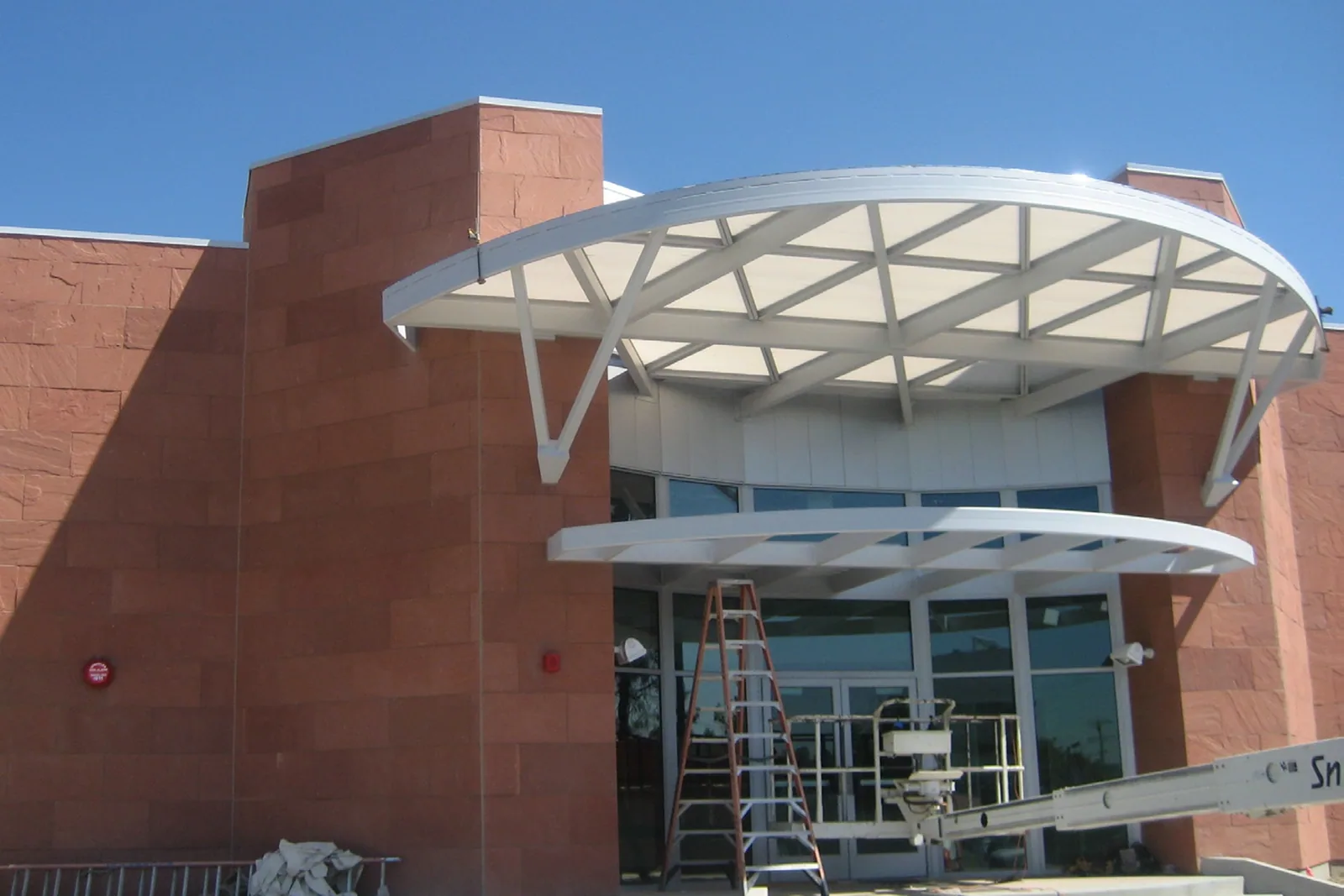
A dealership is several buildings under one name: a glass-fronted showroom with a low parapet, a long service shop with large exhaust and ventilation equipment, a parts storage area that looks like a warehouse, and a canopy over the service drive. The showroom roof is small and visible and has the most flashing per square foot. The shop roof carries fans, make-up air units and exhaust stacks that discharge heat and fumes. The parts roof is a plain field with drains and a few penetrations, and it follows the same logic as a warehouse roof. We grade each separately, since the repair and the consequence differ, and the plan reflects that difference in both the schedule and the price.
Related Roofing Work
Other pages that cover parts of the same roof question.
Warehouse Roofing
PVC Roofing
Occupied Building Reroofing
Storm Damage Roof Repair
Solar-Ready Roofing
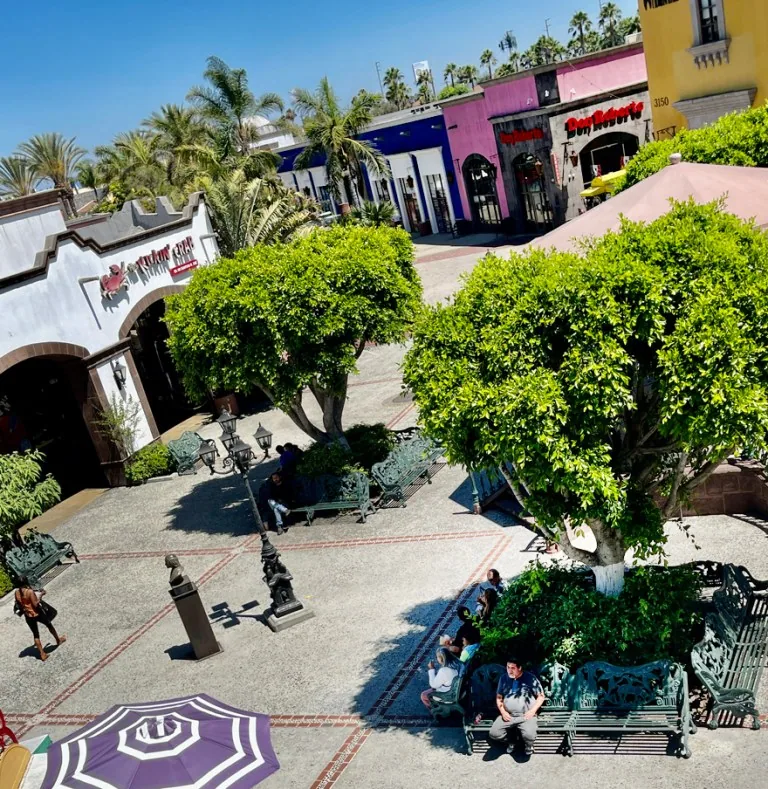
Yuma Palms and the I-8 Retail Corridor
What does a leak cost a dealership?
The repair is a minor line next to the loss. A leak into a service bay can idle a lift, and water over a vehicle being repaired creates a damage claim between the dealership and the customer. A leak in the showroom puts a floor model, carpet and desks at risk. A leak in the parts room damages boxed stock and packaging. We estimate those costs with the manager and set them beside the price of fixing the roof detail that failed, so the principal sees the comparison before the monsoon. The deferred cost of a known defect grows with every storm that arrives before it is fixed.
Insurance adds another layer. A carrier covering a dealership wants to know the roof condition before a loss, and a claim that arrives with a dated photo set from before the storm is easier to settle than one built from memory. We keep that set current, and we note any prior patches so the carrier sees the roof as it was.
How are exhaust and shop equipment handled?
Service shops release heat, oil mist and exhaust, and those settle on the membrane near the discharge point just as kitchen grease does on a restaurant roof. The membrane near the fans can soften, collect dust and fail early, and the curb flashings around make-up air units move with the equipment's vibration. We inspect each stack and curb, record the condition and recommend a chemical-resistant detail where oil or fumes reach the surface, such as a PVC membrane around the discharge. The test is simple: if the surface near a stack is slick, stained or soft, the chemistry is already working on it, and the repair should say so with a photograph and a mark on the plan. Equipment replacement is coordinated with the mechanical contractor so the curb is rebuilt and flashed in one visit, not patched afterward.
How is work scheduled so the dealership keeps selling?
Sales and service run on weekday hours with weekend peaks, and the roof plan starts with the general manager and the service director. Material staging is placed away from customer parking and the service drive, noisy work is held to early morning, and each section is dried in before service picks up. Ladders and hoists sit away from the showroom entrance, and the crew keeps vehicles protected with covers where any debris could fall. The method matches occupied building reroofing, adapted for a business where customers arrive on foot and by car, and the schedule is written to keep both going. Delivery trucks that bring new vehicles need a clear lane, so crane picks are timed around them, and the crew leaves the lot clean of fasteners and debris at the end of each day, since a stray screw in a parking row becomes a flat tire on a customer's car.
What do monsoon winds and dust do to a dealership roof?
August, September and December bring Yuma's wettest weeks, and a heavy burst after dry months tests every drain on a dealership roof. The broad flat roofs of showrooms and shops give monsoon outflow a long perimeter to work on. Dust fills drains and scuppers and coats the membrane, so standing water bakes into a crust. Drains are cleared and logged before the season, edge metal and cap flashing are checked, and the first storm brings a return walk. Laying the new photographs over the earlier set separates fresh damage from older wear, which supports any storm damage repair and the claim behind it.
Questions About Auto Dealership Roofing
Can a showroom roof be replaced without closing sales?
Yes, in sections, with entrances protected and noise held to early hours. Interior ceilings are inspected before and after, and any stained tile is photographed so the record shows what was already there before the first panel came up.
Who coordinates with the mechanical contractor?
We do, on a shared schedule. The curb is rebuilt and flashed during the equipment swap itself, so no second mobilization is needed.
What should be done after a leak in a bay?
Phone us at any hour, holidays included, and a crew heads out to contain the water. The entry point is photographed and entered in the building ledger, and the service director receives a short written summary the same day.
Do automaker facility standards affect roofing?
They can, mainly for appearance, signage and the look of the parapet. We follow the building drawings and give the dealer group a record of what was installed, so the facility review has a document to check.
Is a coating a good fit for a flat shop roof?
Often, provided the moisture survey shows dry insulation under a sound membrane. A coating restoration then costs less than replacement, and the coating goes on in the cooler hours so it cures properly in Yuma heat.
Does solar or a cool roof fit a dealership?
Dealerships have large roofs, steady daytime loads and long operating hours, so some owners look at rooftop solar and cool-roof coatings. A solar-ready roofing plan reserves space, sets the structural and flashing details and keeps the warranty intact before the array is added. A reflective coating on a sound roof lowers surface temperature, and we read reflectance and film thickness so the owner has a measured baseline. Yuma Palms, the retail center beside Interstate 8 on the city's east side, shows what frontage looks like in this market, and a dealership campus on frontage like that ranks its several buildings roof by roof, the way a shopping center owner ranks tenant bays. A documented roof also helps a buyer or lender in due diligence on a property of that kind.
Dealer groups that own several rooftops can run them as one program, ranked by condition and consequence, with the same binder format at every store. A buyer evaluating a dealership real estate purchase will ask for the roof history, and the owner who can hand over dated photographs and a reserve schedule closes sooner than the one who has to commission a survey after the offer. When several lots are involved, the same photo format and the same reserve line at each one let the group compare stores on measured condition instead of on whichever manager called most recently.
Send the site plan and the equipment schedule
Share the building list, the equipment schedule and the history of leaks, and we will return a dated scope and a capital line. Call to book a walk before the heat season narrows the window.
Call 555-555-5555 or email [email protected].